Do Rats Climb On Walls?
Rats are known for their persistence, strength, and uncanny ability to enter places homeowners assume are fully protected. One of the biggest questions homeowners in Winter Park and Orlando ask is simple yet important: do rats climb on walls? Understanding how rats move, how they scale different surfaces, and how they reach attics or upper floors is critical for protecting your home. This guide breaks down how rats climb, what attracts them, and what steps you can take to keep them out.
Why Homeowners Ask the Question: Do Rats Climb On Walls?
Rats are resourceful animals that adapt quickly to the environments around them. In Winter Park and throughout Orlando, the warm climate and mix of mature landscaping and older structures create ideal conditions for rats to explore new entry points. This leads many residents to wonder not only do rats climb on walls but also how they manage to reach roofs, attics, and vents.
Homeowners often hear scratching sounds behind siding or notice droppings in unexpected places. These signs raise the question again: do rats climb on walls to reach these areas? The answer is yes, and the more you understand their abilities, the stronger your pest prevention strategy becomes.
How Rats Are Built to Climb
Rats have physical traits that allow them to climb efficiently and quickly. If you have ever wondered do rats climb on walls, it helps to understand how their anatomy works. Their claws are sharp and curved, letting them grip onto tiny imperfections in surfaces. Their paw pads also create friction that supports their movement, even on vertical planes. This combination allows them to move across brick, textured siding, wood, and concrete with surprising ease.
This is also where variations like do rats climb walls or can rats climb walls become relevant. The behavior is the same. Rats climb because their bodies are designed for it. Their tail acts as a counterbalance and stabilizer. Their flexible spine lets them maneuver tight spaces and shift their weight as they climb.
Which Wall Materials Rats Can Climb
A key part of answering the question do rats climb on walls is understanding which materials give them the most grip. Rats are skilled climbers and can scale most surfaces that are not perfectly smooth. Some wall types they commonly climb include:
Brick Walls
The gaps and slight roughness give rats perfect grip points. If you notice rats near exterior brick walls in Winter Park or Orlando, they may already be using the wall as a ladder.
Wood and Siding
Wood’s natural texture allows an easy climb. Even painted wood still contains enough subtle variation for a rat to catch with its claws.
Concrete Walls
Even smooth looking concrete contains microscopic ridges that help rats move upward without difficulty.
Once you recognize these patterns, the question do rats climb on walls becomes simpler to answer. Yes, they can, and the surface type often helps rather than hinders them.
Surfaces Rats Cannot Climb Easily
While rats are talented climbers, there are limits. If you are evaluating whether do rats climb on walls in every situation, the answer is no. Completely smooth surfaces with no texture are much harder for them to navigate. These include:
Glass
Polished metal
Glossy tile
Certain types of finished composite materials
These surfaces do not provide enough traction for claws to lock in. Even then, rats may still reach upper levels by leaping from nearby branches, climbing drainpipes, or using electrical lines. This is why Winter Park and Orlando homeowners cannot rely solely on smooth surfaces to protect their homes.
Why Rats Climb Walls in the First Place
Rats do not climb out of curiosity alone. They climb with purpose. When people ask do rats climb on walls, the underlying question is usually why they would want to. Some of the most common reasons include:
Searching for Food
Rats follow scent trails. If food is stored in attics, garages, or outdoor kitchens, they may climb walls to reach it.
Seeking Shelter
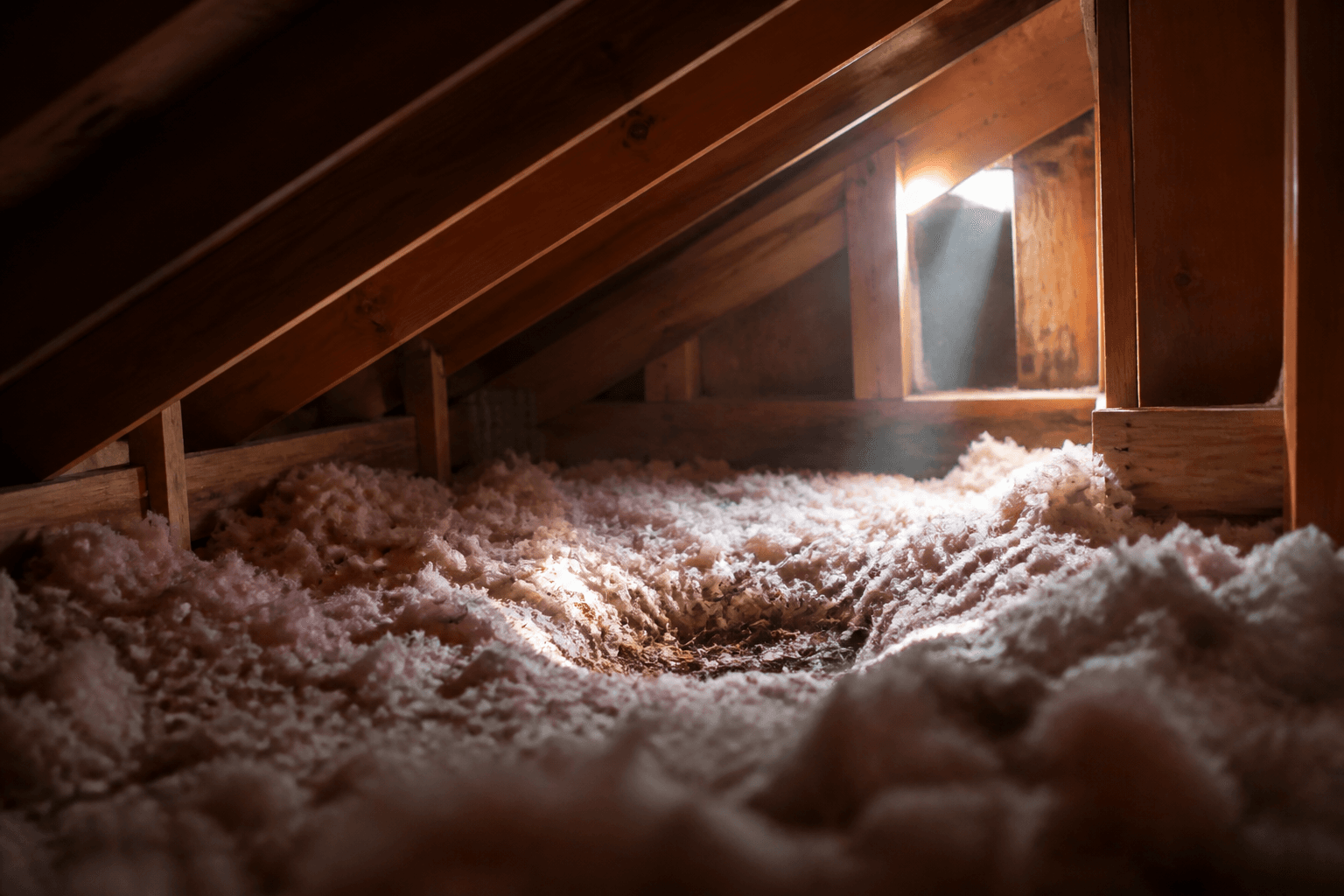
Winter Park and Orlando both experience warm climates, but cold snaps still occur. Rats climb to access warm attic spaces or insulated areas.
Avoiding Predators
Elevation gives rats a sense of safety. Climbing keeps them out of reach of many threats.
Exploring Entry Points
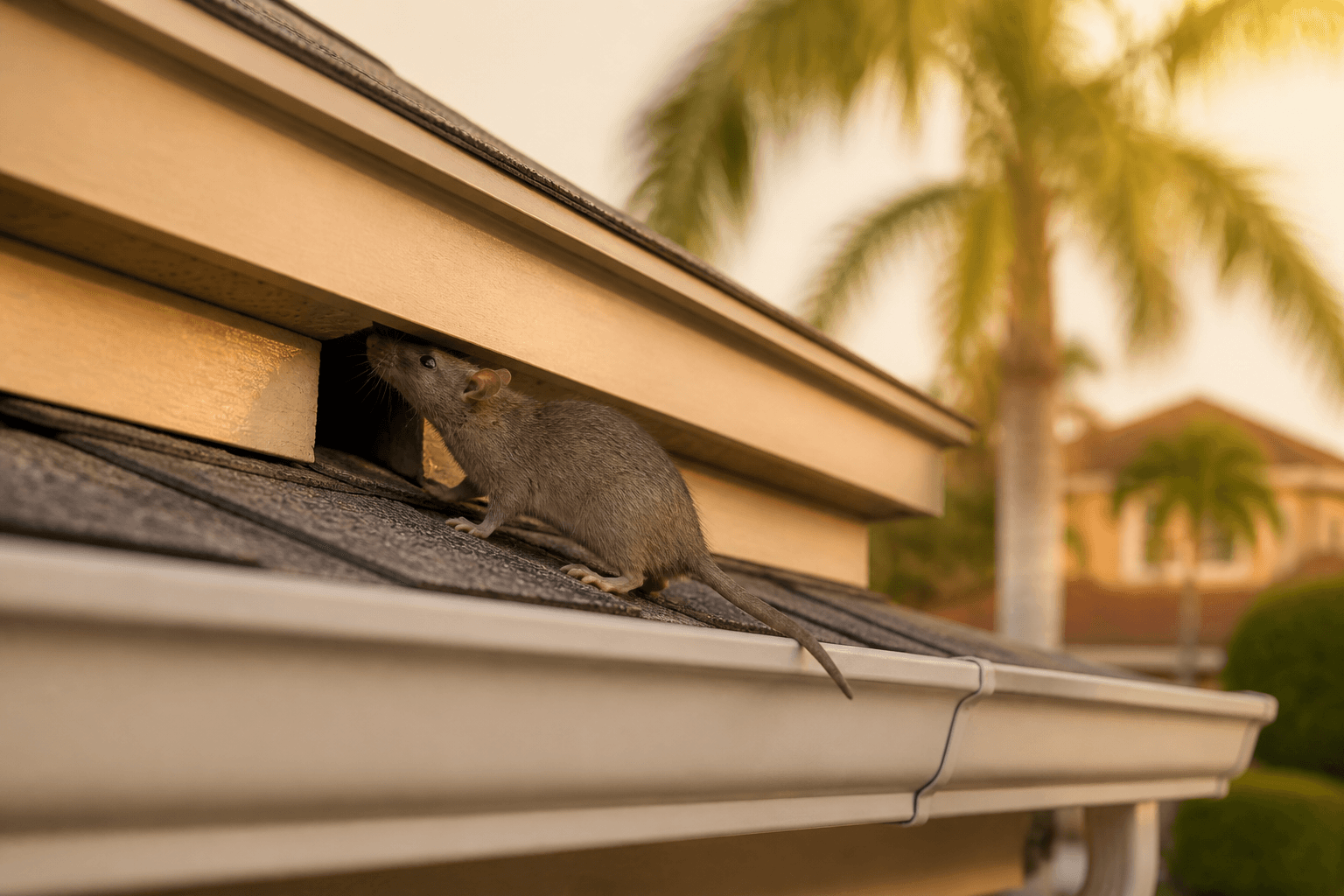
Loose vents, gaps in siding, and openings near the roofline attract rats. Climbing is simply their way of investigating.
How Rats Use Trees, Pipes, and Rooflines as Pathways
The question do rats climb on walls often overlooks one important point. Even if a particular wall is hard to climb, rats will use other objects as routes. Some of the most common pathways include:
Trees and branches that overhang the home
Utility lines that connect homes to power poles
Downspouts and drainage pipes
Trash bins placed directly next to exterior walls
Gutters that are clogged or loosely attached
This is why you may see rats on rooflines even if your walls seem difficult to climb. Rats take advantage of the entire environment, not just one surface.
Signs Rats Are Climbing Your Walls
Once homeowners understand the question do rats climb on walls is generally answered with yes, they want to know how to spot the signs. Some of the most common indicators include:
Light scratching noises along siding or near rooflines
Droppings found near exterior wallsChew marks on vents or soffits
Greasy rub marks from rat fur
Trails along fences or landscaping that lead to the home
Movement on security cameras
Hearing sounds in the walls or attic during evening hours is especially common. Rats are most active at night and often use wall climbing to access quiet hiding places.
How to Stop Rats From Climbing Your Walls
Now that the question do rats climb on walls has been answered fully, the next step is prevention. Some of the most effective measures include:
Trimming Tree Branches
Branches should be kept several feet away from roofs to reduce leaping paths.
Sealing Gaps
Any opening around vents, soffits, or siding can serve as a target.
Securing Garbage and Food Sources
Rats are more likely to climb if they smell food.
Repairing Damaged Siding
Weak points help rats gain a foothold or chew their way inside.
Removing Clutter
Stored items placed up against the home can serve as ladders.
When to Call a Professional
If you have asked do rats climb on walls because you are hearing noises or seeing activity, contacting a professional is the best next step. Rats reproduce quickly and can cause significant property damage in a short period of time. Professionals know how to locate hidden access points, track climbing routes, and address the source of the infestation.
Panther Pest Control is a trusted name in Winter Park and Orlando for a reason. With experience in both residential and commercial environments, we help property owners protect their buildings from top to bottom.
Schedule an inspection at https://www.panther-pest.com/contact.
Ready to Protect Your Property?
Whether you are dealing with a few stubborn ants, hearing movement in the attic, or trying to prevent long term structural damage from termites, Panther Pest Control delivers the same trusted service that Winter Park and Orlando families have relied on for years.
From inspection to treatment, our team focuses on safe methods, clear communication, and dependable results that keep your home or business pest free. Every visit is handled by a local expert who takes the time to understand your concerns and provide solutions that fit your property’s needs. At Panther Pest, we never take shortcuts because your peace of mind matters.
Let’s take the next step:
Learn more about our residential services
Explore commercial pest control options
Protect your property with proven termite prevention
Get targeted rodent control for your home or business