Roof Rat vs Norway Rat: Key Differences Homeowners Should Know

If you are hearing scratching, finding droppings, or noticing gnaw marks around your property, you may be dealing with a rat problem. One of the most common points of confusion is around roof rat vs Norway rat differences. While these two rodents are often grouped together, they behave very differently, and those differences matter when it comes to control.

Understanding the differences between roof rats vs Norway rats is essential for effective treatment, long term prevention, avoiding wasted time or money, and finding rodent control services that work for you. In this guide, we will walk through the differences with a strong focus on Norway rats, since they are responsible for the majority of serious infestations in and around structures.

roof rat vs norway rat​

Roof Rat vs Norway Rat Identification Basics

When comparing roof rats vs Norway rats, physical identification is often the first step. Although homeowners rarely get a close look, certain traits can help point you in the right direction.

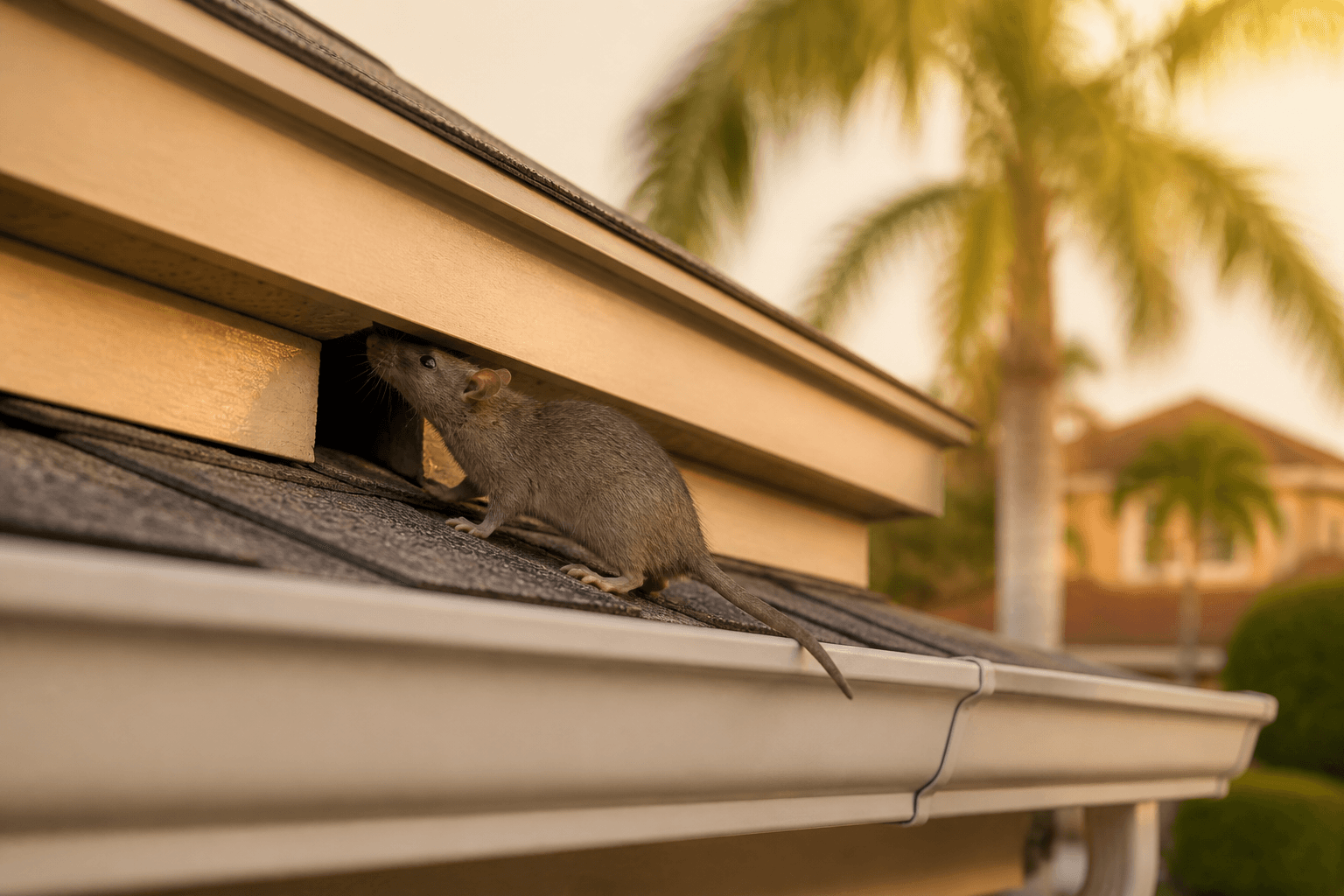
Norway rats are larger and heavier than roof rats. They have stocky bodies, blunt noses, and relatively small ears. Their tails are shorter than the combined length of their head and body. Roof rats, on the other hand, are slimmer, more agile, and have longer tails that typically exceed their body length.

Fur color can vary, but Norway rats usually appear brown, gray, or reddish gray, while roof rats tend to be darker. These differences matter because they often indicate where the rats are nesting and how they are entering the structure.

Understanding roof rat vs Norway rat identification helps professionals choose the correct placement for traps, bait stations, and exclusion work.

If you suspect rat activity and are unsure which species is involved, this is a good point to contact us for professional identification before the problem escalates.

Habitat Differences Between Roof Rat vs Norway Rat

One of the most important distinctions in roof rat vs Norway rat comparisons is where they prefer to live.

Norway rats are ground oriented rodents. They are excellent diggers and typically create burrows beneath foundations, sidewalks, sheds, and slabs. Inside structures, they favor basements, crawl spaces, garages, and lower floors. They are also common in sewers and drainage systems, which is why they are often called sewer rats.

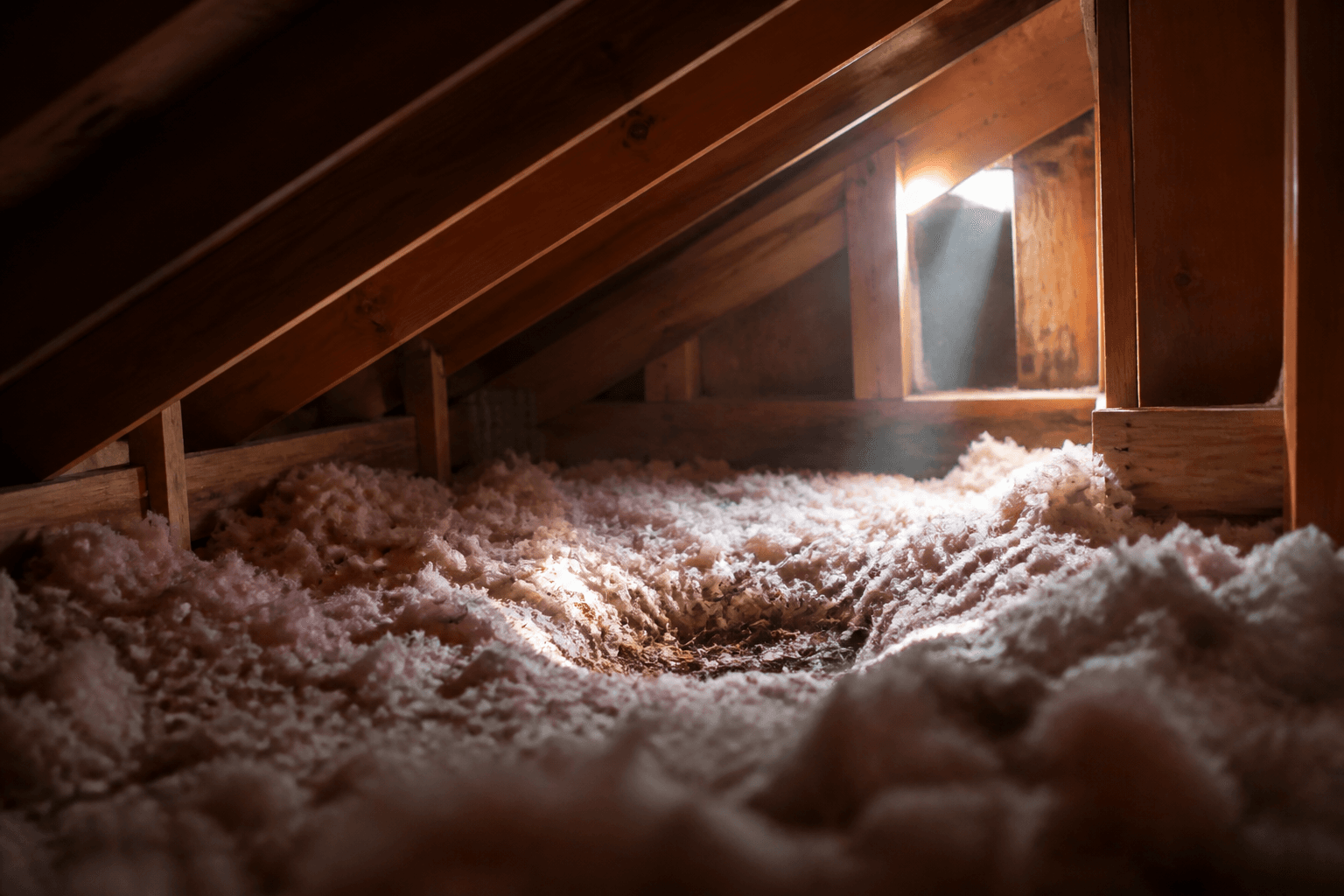
Roof rats, as their name suggests, prefer elevated spaces. They nest in attics, rooflines, trees, and dense vegetation. While both species can climb, Norway rats are far more comfortable staying close to the ground.

This difference alone explains why roof rat vs Norway rat misidentification leads to failed treatments. Ground level rats require a completely different control strategy than attic dwelling rats.

Both kinds of rodents can be an issue for residential and commercial spaces, making habitat awareness critical.

Behavior And Movement Patterns Of Norway Rats

When focusing on roof rat vs Norway rat behavior, Norway rats stand out for their predictable travel habits. They tend to follow the same paths repeatedly, often along walls, pipes, and edges. Over time, this creates visible grease marks and worn runways.

Norway rats are primarily nocturnal and usually become active around dusk. They have poor eyesight but rely heavily on their sense of smell, hearing, and touch. This makes them extremely cautious around new objects, including traps that are placed incorrectly.

They usually stay within a relatively short distance of their nest unless food or water becomes scarce. However, if conditions demand it, they can travel significant distances to reach a reliable food source.

Because of these behaviors, effective control for Norway rats must account for their routines, nesting locations, and access points. This is another reason why understanding roof rat vs Norway rat behavior is essential before starting treatment.

If you are seeing consistent signs near ground level such as burrow holes, gnawing near foundations, or droppings in basements, it may be time to contact us for a professional inspection.

Diet And Attraction Factors In Roof Rat vs Norway Rat Infestations

Diet is another major difference in roof rat vs Norway rat comparisons. Norway rats are opportunistic feeders and will eat almost anything. They tend to prefer grains, meats, fish, and high protein foods, but they will not hesitate to consume garbage, pet food, or scraps.

They also require regular access to water, which is why leaky pipes, standing water, and poor drainage can quickly attract them. Roof rats are more likely to feed on fruits, nuts, and vegetation, often in elevated areas.

For Norway rats, sanitation plays a huge role in prevention. Open trash containers, unsecured dumpsters, spilled animal feed, and cluttered storage areas all create ideal conditions for infestation.

Removing these attractants is a foundational step in managing roof rat vs Norway rat issues, especially when Norway rats are the primary concern.

roof rat vs norway rat​

Damage And Health Risks Associated With Norway Rats

In any roof rat vs Norway rat discussion, Norway rats deserve special attention due to the extent of damage they can cause. Their strong teeth allow them to chew through wood, plastic, drywall, and even soft metals. This can result in damaged insulation, compromised structural elements, and electrical hazards.

Norway rats are also known carriers of numerous pathogens. Their droppings and urine can contaminate food surfaces and stored items. Because they often travel through sewers and damp environments, they pose serious sanitation risks.

Health concerns linked to Norway rats include bacterial infections, parasites, and diseases transmitted through direct contact or contaminated surfaces. These risks increase as infestations grow and spread throughout a structure.

Addressing these risks early is critical. If signs are present, do not wait to see if the problem resolves on its own. Reaching out to a professional through our contact us page can help prevent long term damage.


Why Correct Identification Matters For Rat Control

One of the biggest takeaways in any roof rat vs Norway rat guide is that correct identification determines success. Norway rats and roof rats require different trap placement, exclusion methods, and monitoring strategies.

Treatments designed for roof rats in attics will not solve a Norway rat problem rooted in burrows or basements. Likewise, focusing only on ground level control will not stop roof rats nesting above.

Professional pest control focuses on species specific behavior. This ensures that control measures are placed where rats actually travel and nest, rather than where it seems convenient.

For property owners managing multiple buildings or mixed use spaces, species specific control is especially important. Panther Pest’s experience with both residential and commercial environments allows for targeted solutions that address the real source of activity.


Understanding The Bigger Picture

Looking at roof rat vs Norway rat differences is not just about naming the pest. It is about understanding how the infestation started, why it persists, and what steps are needed to stop it.

Norway rats tend to indicate issues at ground level such as access gaps, sanitation problems, or moisture sources. Addressing those conditions reduces the likelihood of repeat infestations and supports long term control.

roof rat vs norway rat​

A Smarter Way To Address Roof Rat vs Norway Rat Problems

When comparing roof rat vs Norway rat, the evidence points to one clear conclusion. Norway rats are more likely to cause widespread damage and persistent infestations due to their burrowing habits, size, and adaptability.

Effective control starts with accurate identification, followed by habitat modification, exclusion, and professional treatment. Addressing only the visible signs without understanding the species involved often leads to recurring problems.

If you are dealing with suspected rat activity and want clarity on roof rat vs Norway rat concerns, the next step is professional guidance. Contact us to schedule an inspection and get a clear plan based on what is actually happening on your property.


Frequently Asked Questions About Roof Rat vs Norway Rat

What is the biggest difference between roof rat vs Norway rat?
The biggest difference is where they live. Norway rats prefer ground level areas like burrows, basements, and crawl spaces, while roof rats prefer attics and elevated spaces.

Which species is more common in homes, roof rat vs Norway rat?
In most areas, Norway rats are more common and responsible for the majority of serious infestations.

Are Norway rats more dangerous than roof rats?
Both pose health risks, but Norway rats often cause more structural damage and sanitation issues due to their size and burrowing behavior.

Can roof rat vs Norway rat infestations happen at the same time?
It is possible, but uncommon. Most properties are dominated by one species based on habitat conditions.

Does treatment differ for roof rat vs Norway rat problems?
Yes. Control strategies differ significantly, which is why correct identification is critical.

When should I call a professional for roof rat vs Norway rat issues?
If you see droppings, burrows, gnaw marks, or hear consistent noises, it is best to call a professional immediately rather than attempt guesswork.

Next
Next

How To Get Rid Of Roof Rats: Pest Control for Rats In Your Roof