
Rodent Control
Orlando rodent control that keeps rats & mice out
Panther Pest Control provides rodent control in Orlando and across Central Florida — rat and mouse removal plus the attic exclusion and sealing that DIY traps skip. We inspect first, remove the infestation, and close off entry points so rodents can't come back.
Get my free quote
Tell us what's bugging you and we'll get right back to you.
Licensed & Insured
FL Pest Control
5.0 on Google
381+ reviews

BBB Accredited
A+ standing

Certified Sentricon
Termite specialists
1500+ homes protected
across Central FL
Get rats & mice out — and keep them out
Trapping alone never lasts. Our rodent control program removes the rodents you have and then seals your home so new ones can't take their place.
Inspect & identify
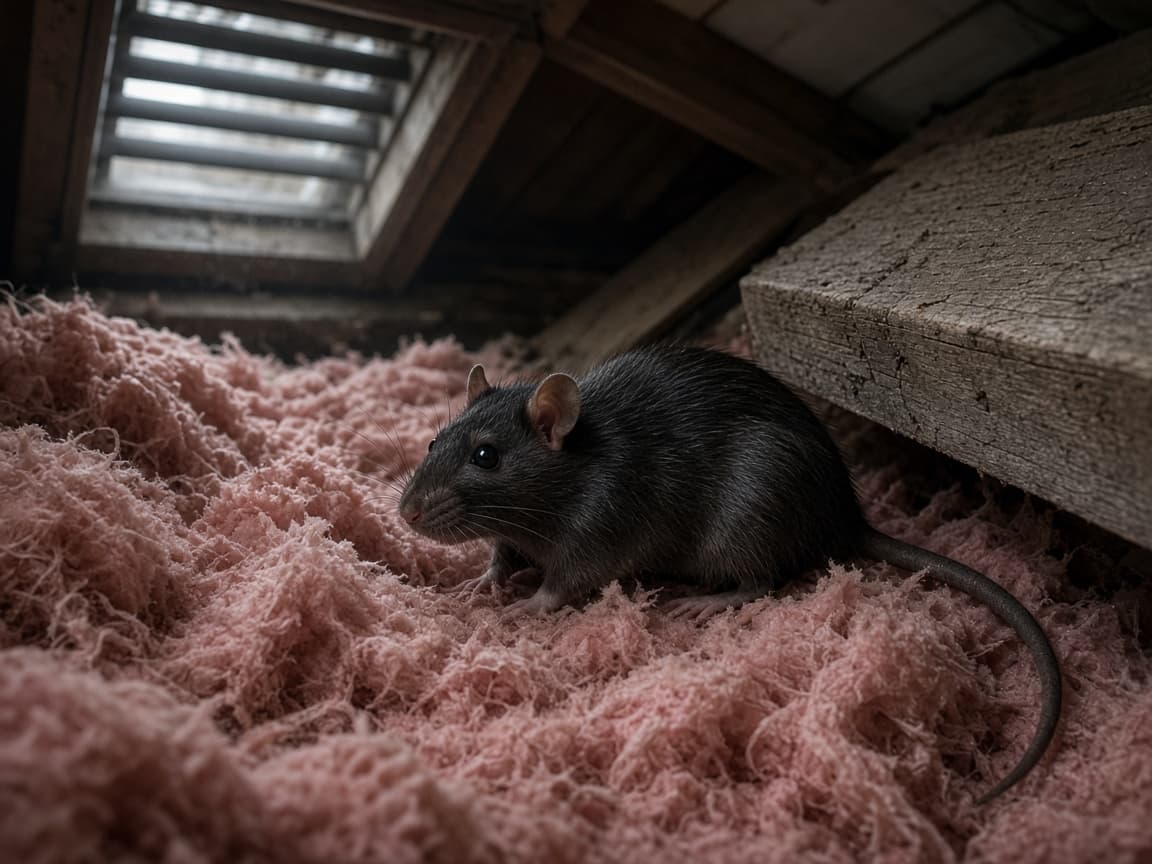
We find how rodents are getting in and where they nest — attic, walls, garage, and along the roofline — before we treat anything.
Trap & remove
Strategic trapping and removal clears the active infestation quickly and cleanly, targeting the runways rodents actually use.
Exclude & seal
The step DIY misses: we seal entry points so rodents physically can't get back in — the key to lasting rodent control.
Sanitize & monitor
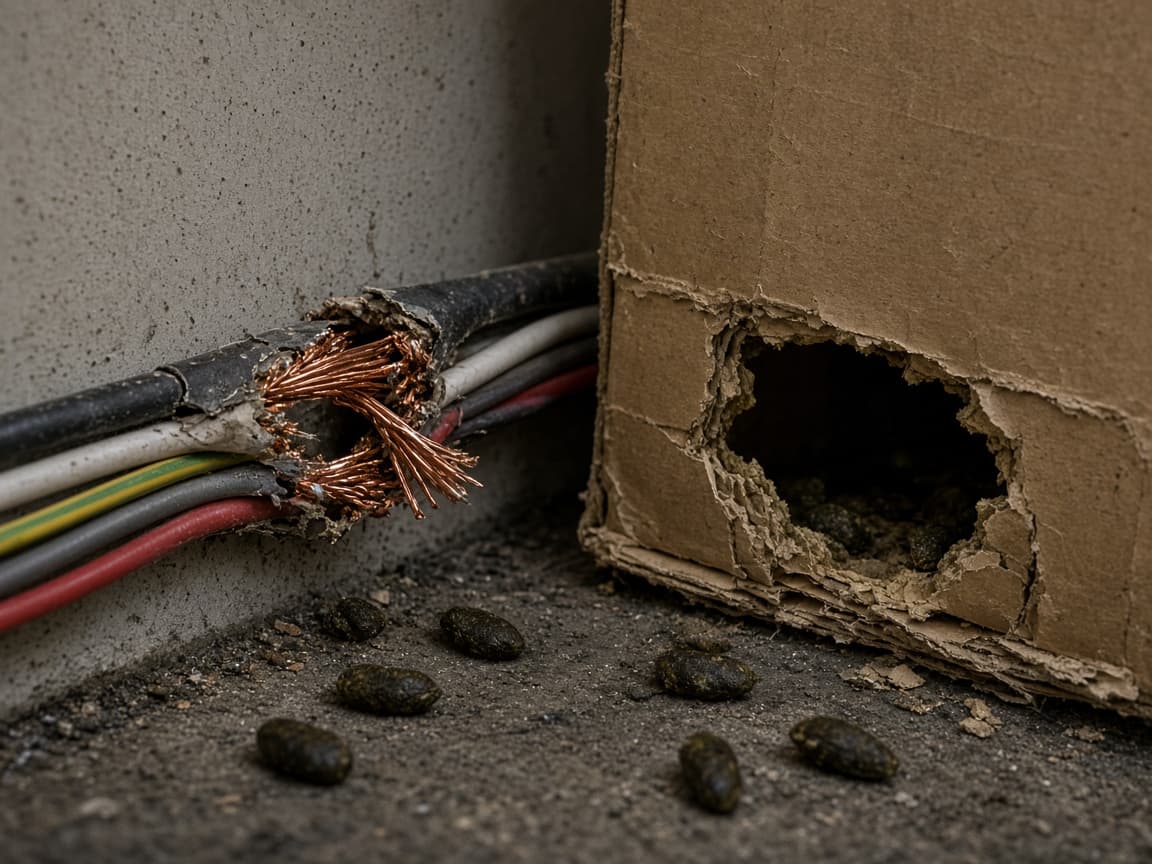
We clean up droppings and contamination, then monitor to make sure your home stays rodent-free for good.

A pest-free home in four simple steps
You shouldn't need a science degree to protect your home. Here's how easy we make it.
Call or request a quote
Talk to a friendly local expert about exactly what you're dealing with.
We build your plan
We inspect your property and design a treatment around it, not a generic routine.
Targeted treatment
Our licensed techs treat for the pests actually in your yard and home.
Ongoing protection
Choose a one-time visit or year-round quarterly service for lasting peace of mind.

Skip the stress of store-bought DIY products and recurring infestations — and enjoy a home that finally feels like yours again.
Get My Free Quote
Local experts who treat your home like ours
Ignoring a pest problem only lets it spread — and DIY store products rarely reach the source. We've protected 1500+ Central Florida homes and businesses, and we'll do the same for you.
Built for Central Florida
Our humidity, sandy soil, and palm landscaping create pest pressure national programs aren't designed for. We treat for the pests actually in your yard.
Licensed, insured & BBB accredited
Locally owned in Winter Park with over 381 five-star reviews from homeowners and business owners across the region.
Natural options when you want them
Have kids, pets, a vegetable garden, or backyard chickens? Our natural solutions use lower-toxicity, targeted application.
Join 381+ neighbors living pest-free
Based on 381+ Google reviews
Roof rats, Norway rats & mice
In Central Florida, roof rats in the attic are the most common rodent problem. Learn the difference between roof rats and Norway rats, or see how to get rid of roof rats.
Central Florida pest control calendar
Our climate keeps pests active all year — but the pressure shifts by season. Here's what we watch for and treat month to month across the Orlando metro.
Spring
- Ants
- Termite swarmers
- Wasps
- Mosquitoes
Warm, wet weather triggers ant trails and termite swarms — the ideal time to start prevention.
Summer
- Mosquitoes
- Palmetto bugs
- Fire ants
- Fleas
Peak Florida pest season. Humidity and rain drive roaches and mosquitoes indoors and out.
Fall
- Rodents
- Spiders
- Cockroaches
- Earwigs
As nights cool, rodents and roaches look for a warm way inside. Seal-up and perimeter work matter most.
Winter
- Rodents
- German roaches
- Silverfish
- Spiders
Pests don't disappear here — they move indoors. Recurring service keeps them from settling in.
Why exclusion beats DIY traps
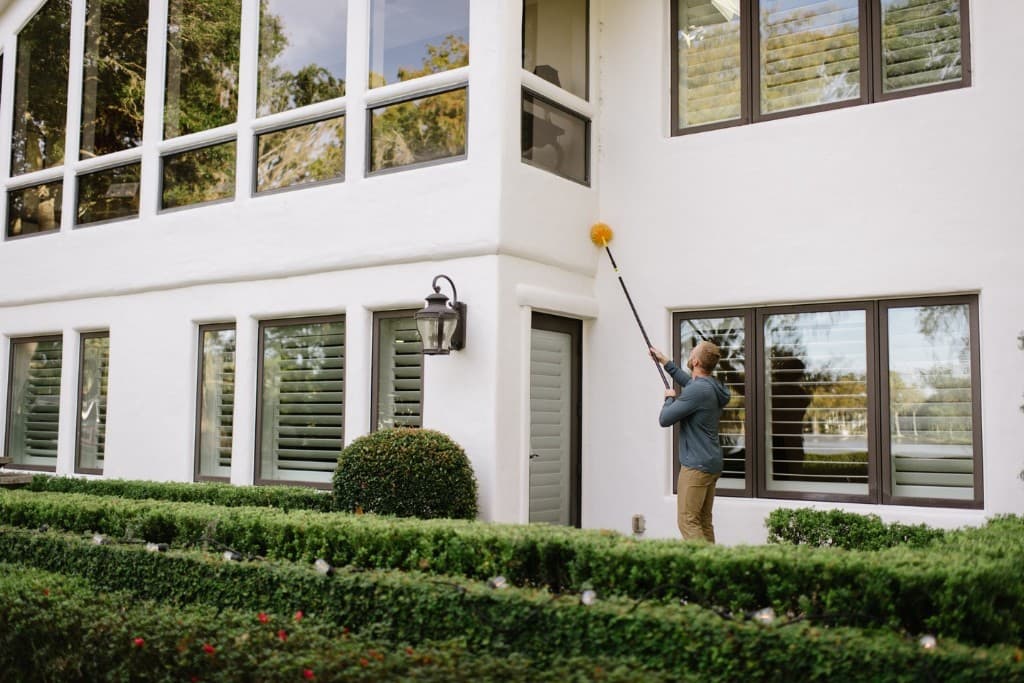
Store-bought traps catch a rodent or two, but they do nothing about the gap letting the rest inside. Rodents breed fast, so the only lasting fix is sealing entry points. We find every access point and close it — then back the work in writing. Got them in the walls? See how to get rid of rodents in walls.
Get a rodent inspectionA no-risk guarantee
You should never feel stuck or oversold. Every Panther Pest Control plan is backed by simple promises that put the risk on us, not you.
Get My Free QuoteOr call 407-713-7853Flexible plans
One-time, monthly, bi-monthly, or quarterly — choose what fits, with no long-term lock-in.
Same-day when possible
Reach out during business hours and we'll do our best to get there the same day.
Call-Back Guarantee
If pests come back between scheduled visits, so do we — at no extra charge.
100% satisfaction
Not happy with a treatment? We'll make it right. That's our guarantee.
Rodent control across Central Florida
Based in Winter Park, we clear rodents from homes throughout the Orlando metro. Here are the communities we serve:
- Altamonte Springs
- Apopka
- Casselberry
- Chuluota
- College Park
- Dr. Phillips
- Gotha
- Horizon West
- Hunters Creek
- Lake Buena Vista
- Lake Mary
- Lake Nona
- Longwood
- Maitland
- Ocoee
- Orlando
- Oviedo
- Sanford
- Windermere
- Winter Garden
- Winter Park
Rodent control FAQ
Most infestations are cleared within one to three weeks depending on severity, since rodents have to work their way to the traps. We seal entry points during the same visit so new rodents can't replace them.
Yes — exclusion is the core of our program. Trapping alone just removes the rodents that are already inside. We find and seal the gaps, vents, and roofline access points so the problem doesn't return.
Pricing depends on the size of your home, how severe the infestation is, and how much sealing and exclusion work is needed. Call 407-713-7853 for a free inspection and a quote built around your home.
They can be — rodent droppings and urine carry health risks and should be cleaned up carefully. Our program includes sanitizing contaminated areas as part of getting your home back to safe.
Absolutely. Attics, wall voids, and the roofline are the most common rodent problem areas in Central Florida homes, and they're exactly where our inspect-remove-exclude process focuses.

Take back your home today
Every day you wait, the problem gets bigger. Get a free quote from your local Panther Pest Control team and start living pest-free.
Licensed & insured · Same-day when possible · Free inspections
Explore our other pest control services
One local team for every pest problem in Orlando & Central Florida.
Residential Pest Control
Inspect-first home plans — monthly, bi-monthly, or quarterly.
Commercial Pest Control
Discreet, code-ready service for offices, retail, and warehouses.
Termite Control
Sentricon, spot-treatment, WDO reports, and renewable bonds.
Mosquito Control
Monthly yard treatments that reclaim your outdoor space.
Natural & Pet-Safe
Botanical, lower-toxicity IPM that's safe for kids, pets & pollinators.