Carpenter Ants vs Termites: How to Tell the Difference (and Why It Matters)

If you've spotted wood damage or unfamiliar insects crawling through your home, you may be wondering whether you're looking at carpenter ants vs termites. Both pests can cause real harm to your property, but they behave differently, look different, and require completely different treatments.

Understanding which pest you're dealing with is the first step toward protecting your home. Our termite services page covers termite-specific treatment in detail, but this guide will walk you through everything you need to know to tell these two destructive pests apart.


What Are Carpenter Ants?

Carpenter ants are one of the most common wood-damaging insects in Central Florida. Despite their name, they don't actually eat wood - they tunnel through it to create smooth, clean galleries where they build their nests.

They're relatively large ants, typically ranging from 1/4 to 1/2 inch in length, and are usually black, red, or a combination of both. Carpenter ants need moisture to survive, so you'll often find their nests near leaking pipes, damp window frames, or wood that's already begun to decay.

A mature carpenter ant colony can house thousands of workers and, if left untreated, can spread to multiple locations throughout your home over time.


carpenter ants vs termites​

What Are Termites?

Termites are wood-eating insects that feed on cellulose - the organic material found in wood, paper, and other plant-based materials. Florida is home to several species, but subterranean termites are the most destructive and widespread across the Orlando region.

Unlike carpenter ants, termites work silently and out of sight. They often go undetected for months or even years, which is why the damage they cause tends to be so severe by the time it's discovered.

According to the University of Florida IFAS Extension, subterranean termites are responsible for the majority of termite damage in the United States - making early identification especially important for Florida homeowners.

carpenter ants vs termites​

How to Tell Carpenter Ants vs Termites Apart

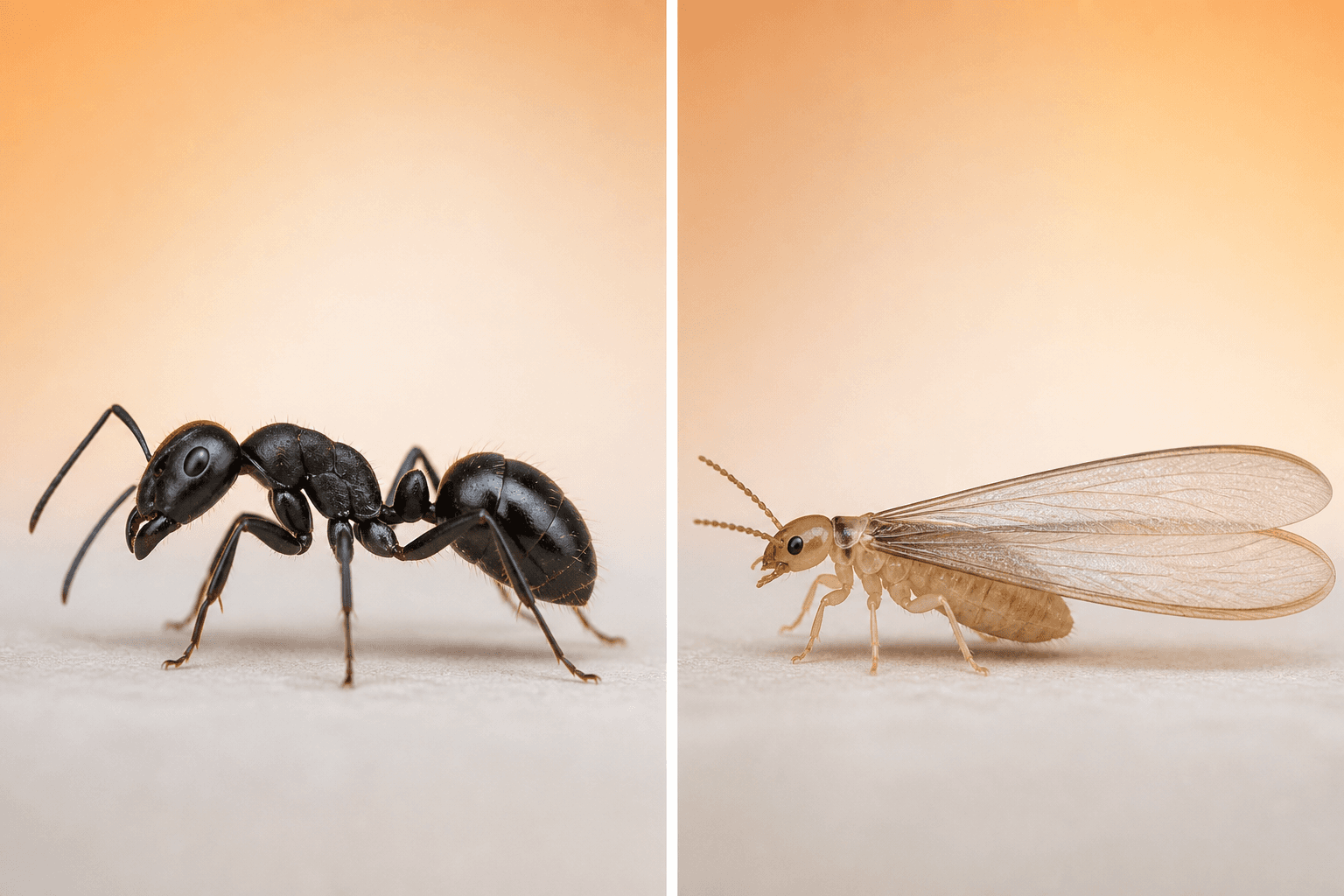
At first glance, carpenter ants vs termites can look surprisingly similar - especially during swarm season. Here are the key differences to look for.

Physical Appearance

The easiest way to tell them apart is body shape. Carpenter ants have a clearly segmented body with a narrow, pinched waist, bent antennae, and wings of unequal length (if present). Termites have a broad, straight waist, straight beaded antennae, and wings that are equal in length and roughly twice the size of their body.

If you find discarded wings near a window or door, that's a strong sign of a termite swarm.

The Damage They Leave Behind

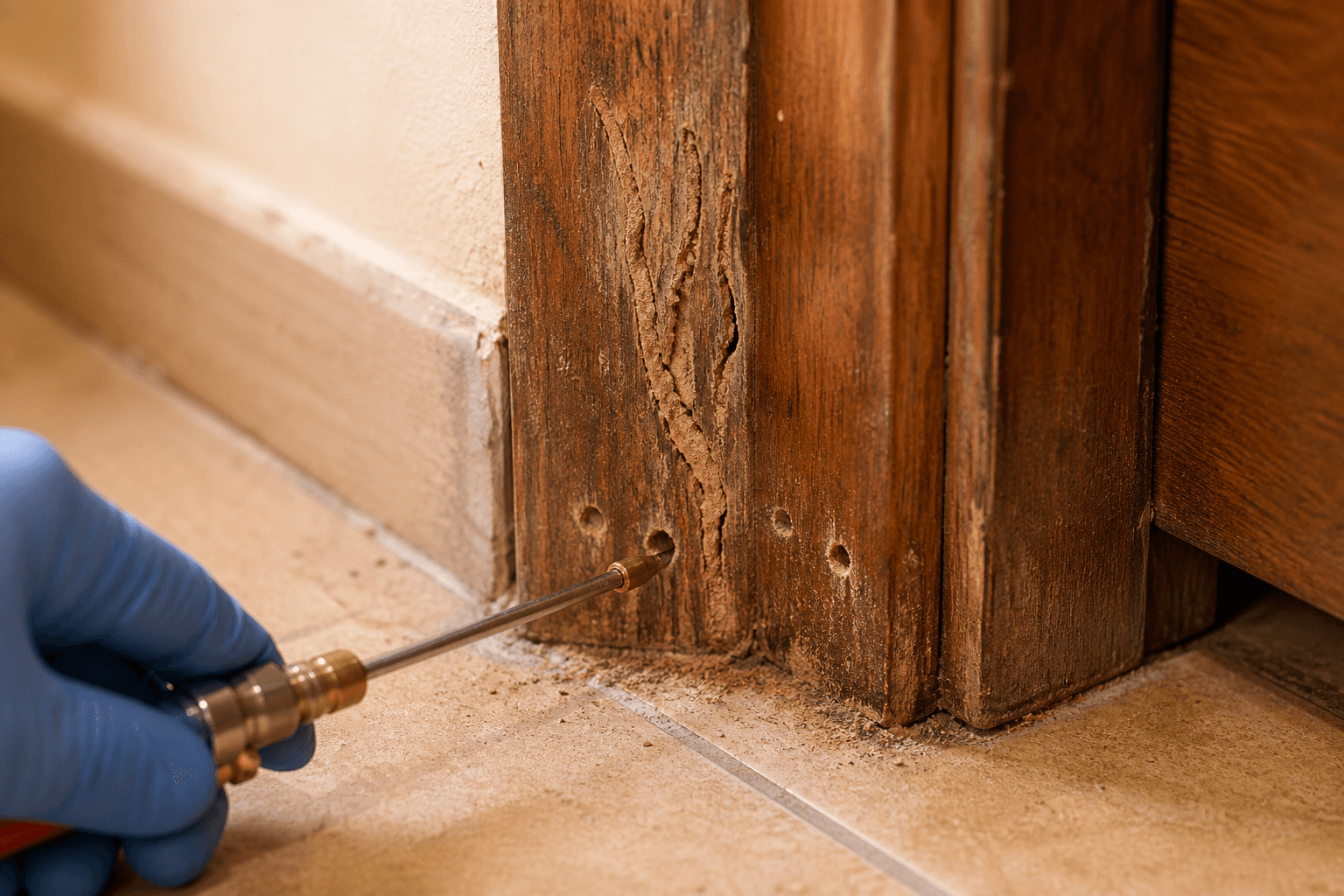
The type of damage is another reliable clue. Carpenter ants create smooth, sculpted galleries inside wood. You may also find small piles of sawdust-like material called frass near entry points.

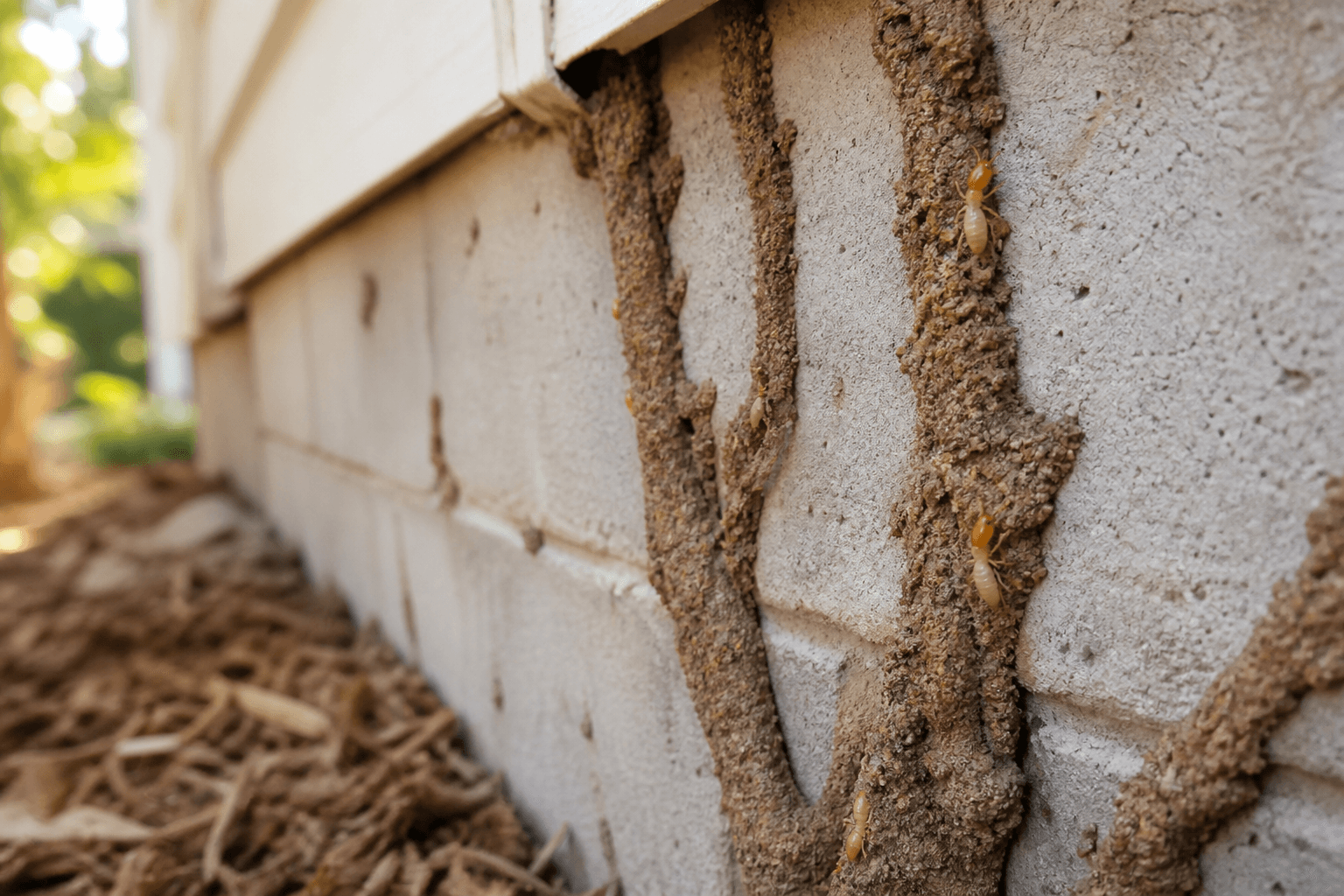
Termites leave behind wood that looks rough, layered, and hollow - often packed with soil and fecal matter. If you notice mud tubes running along your foundation or walls, those are a hallmark sign of subterranean termites.

Behavior and Habitat

Carpenter ants are most active at night and prefer damp, decaying wood. You're more likely to see them foraging for food out in the open.

Termites rarely come out into the open. They work from within walls, floors, and foundations - staying hidden as they feed. This is part of what makes them so difficult to catch early.

Signs You May Have an Infestation

Whether it's carpenter ants or termites, there are some common warning signs to watch for in your Orlando home:

  • Hollow-sounding wood when tapped

  • Visible tunnels or galleries inside damaged wood

  • Small piles of frass or debris near wooden structures

  • Discarded wings near windowsills or doorways

  • Mud tubes along your foundation or exterior walls

  • Sagging floors, warped doors, or bubbling paint

If you're noticing any of these signs, don't wait. Our residential pest control team can help identify the problem quickly and get treatment started before the damage gets worse.

Which Pest Does More Damage?

Both pests can cause significant structural damage if left untreated, but termites are generally considered the more destructive of the two. Because they work silently and stay hidden, the damage is often extensive by the time it's discovered.

Carpenter ants, while less destructive than termites, can still compromise the structural integrity of your home - especially if multiple colonies are present or the infestation has been ongoing for a long time.

In either case, early detection is the most effective way to minimize damage and keep repair costs down.

Getting the Right Treatment

The treatment for carpenter ants vs termites is very different, which is exactly why proper identification matters so much. Treating for the wrong pest wastes time and money - and allows the real problem to grow in the background.

  • Carpenter ant treatment typically involves locating and eliminating the nest, addressing any underlying moisture issues, and applying targeted treatments to affected areas.

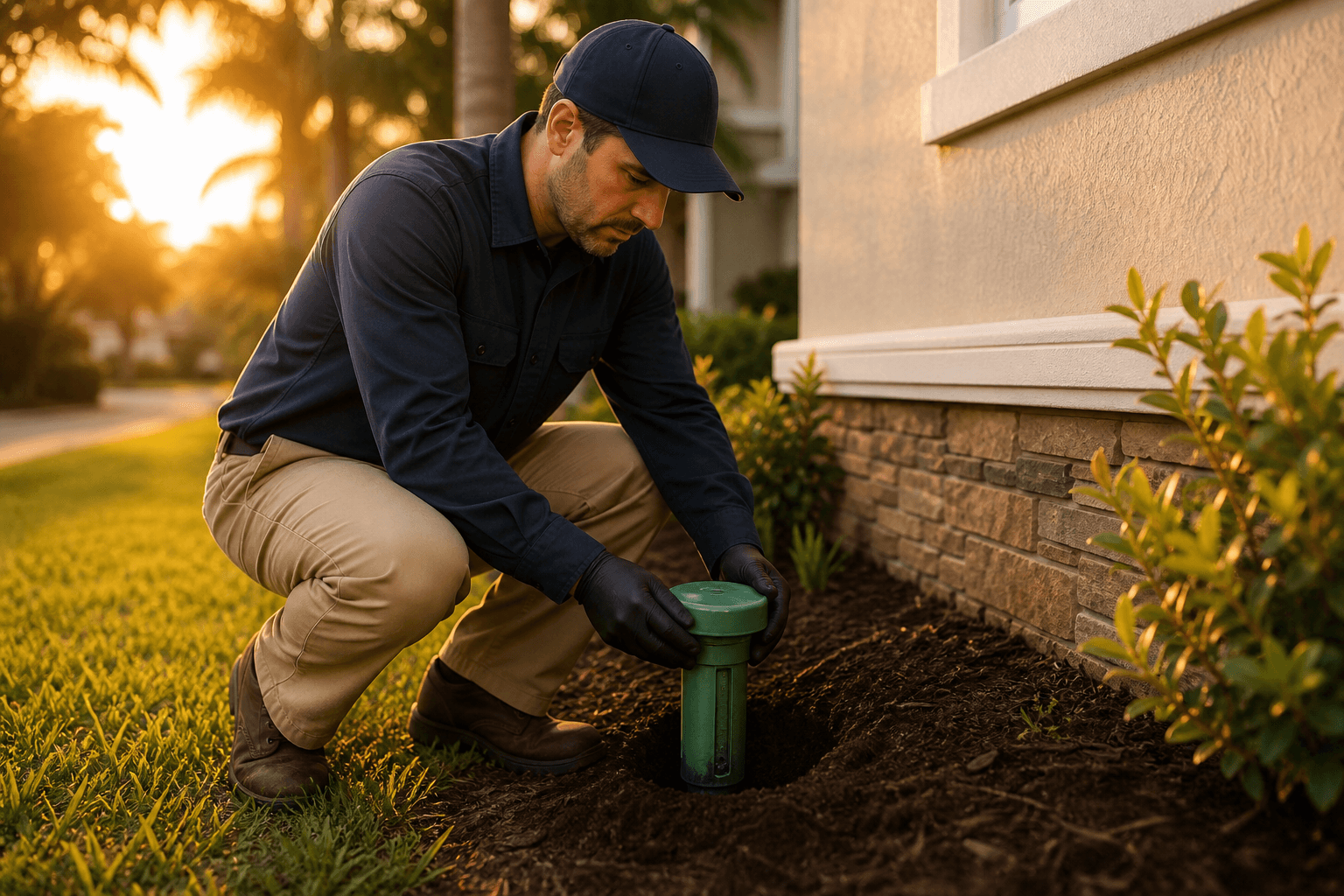
  • Termite treatment often requires specialized approaches like liquid termiticide barriers, bait systems, or fumigation depending on the species and extent of the infestation.

This is true whether you're protecting a home or a commercial property. Our commercial pest control services are designed to handle wood-destroying insects with minimal disruption to your business.

At Panther Pest Control, our technicians are trained to accurately identify the pest you're dealing with and recommend the most effective treatment plan for your specific situation - no guesswork, no one-size-fits-all approach.

carpenter ants vs termites​

Don't Wait - Get the Right Answer Now

Whether you're dealing with carpenter ants, termites, or something in between, acting quickly is always the right move. The longer wood-destroying insects are left untreated, the more costly and complex the problem becomes.

Panther Pest Control has been serving homeowners and businesses across the Orlando region with trusted, local expertise. If you're not sure what you're looking at, we'll help you figure it out - and take care of it the right way.

Contact Panther Pest Control today for a free quote and let us put your mind at ease.

Frequently Asked Questions

Can carpenter ants and termites infest the same home at the same time?

Yes, it is possible - though not common - to have both in the same home. Both are attracted to moisture-damaged or decaying wood, so properties with water issues or aging structures can sometimes attract both pests. A professional inspection is the most reliable way to know exactly what you're dealing with.

Are carpenter ants dangerous to humans?

Carpenter ants are not considered dangerous to humans. They can bite if they feel threatened, and some species spray formic acid into a wound, causing mild irritation. Their primary threat, however, is to the structural integrity of your home - not to your health.

How fast do termites cause damage?

The speed of termite damage depends on the species and the size of the colony. Subterranean termites, the most common in Florida, can cause significant structural damage within a few years if left untreated. Larger colonies can cause visible damage in a matter of months.

What attracts carpenter ants to a home?

Carpenter ants are primarily attracted to moisture and wood softened by water damage or decay. Leaky pipes, poor ventilation, and aging wood are all common attractants. Addressing moisture issues in your home is one of the most effective ways to prevent an infestation.

Do I need a professional to treat carpenter ants or termites?

Yes - both pests are best handled by a licensed pest control professional. Over-the-counter treatments rarely address the root of the problem and can allow infestations to grow while you wait. A professional can accurately identify the pest, locate the source, and apply the most effective treatment for your situation.

Next
Next

How To Get Rid Of Termites: A Complete Homeowner Guide