German Cockroaches in Florida: Why They're So Hard to Eliminate (and What Actually Works)
Of all the cockroaches that invade Florida homes and businesses, none is more persistent - or more problematic - than the German cockroach. Despite their name, these insects have nothing to do with Germany. They're a worldwide pest, and in Florida's warm, humid climate, they've found one of their most comfortable homes anywhere on the planet.
If you've spotted small, fast-moving roaches in your kitchen or bathroom, there's a good chance you're dealing with German cockroaches in Florida. This guide covers everything you need to know - from identifying them and understanding why they're so difficult to control, to the most effective treatment and prevention strategies available. For professional help, Panther Pest Control's residential pest control team serves homeowners across Florida with targeted solutions for even the most stubborn infestations.
What Makes German Cockroaches Different
Not all cockroaches behave the same way, and German cockroaches stand apart from other Florida species in several important ways.
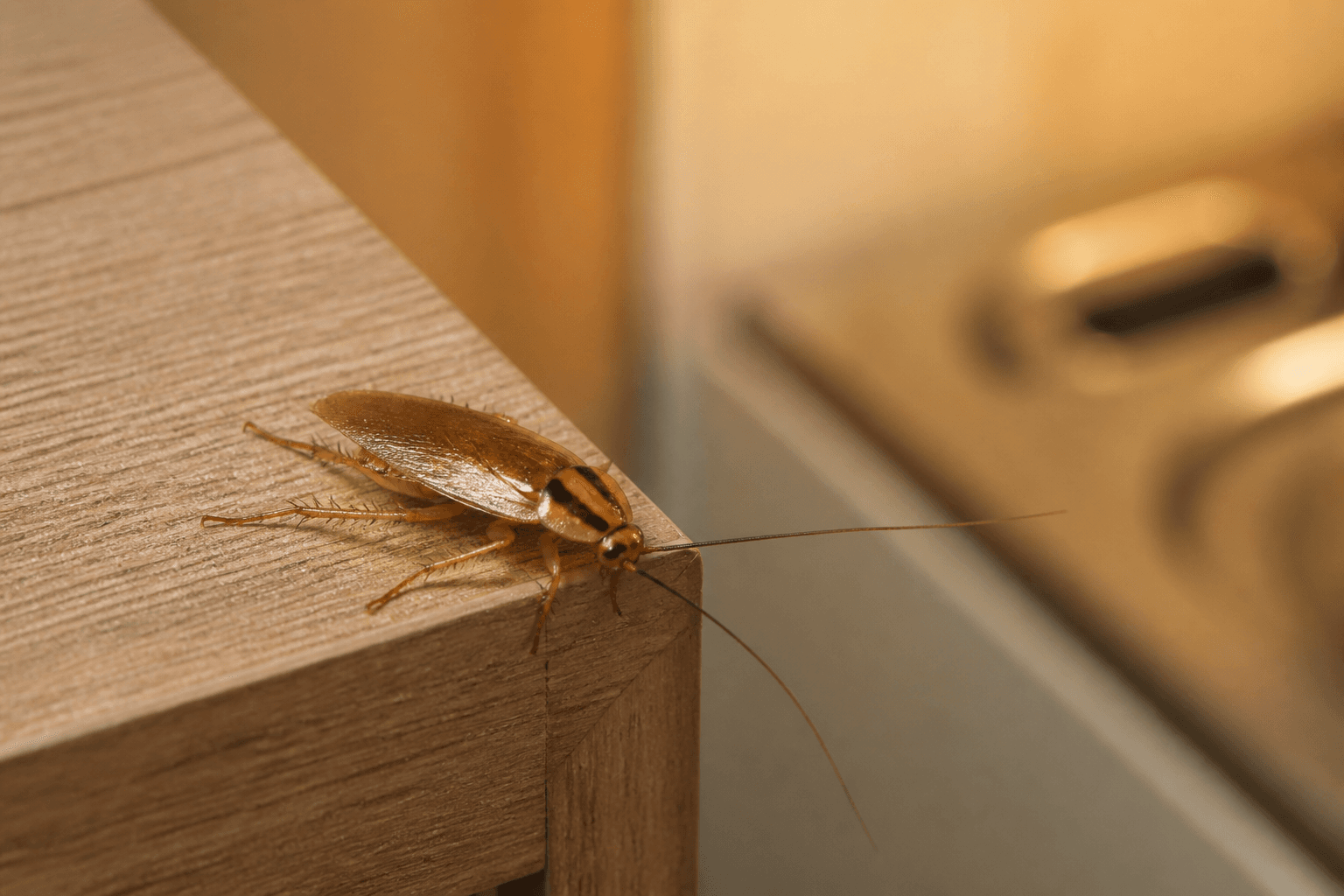
They're smaller - typically 1/2 to 5/8 inch long - tan to light brown in color, with two dark parallel stripes running from the back of the head to the base of the wings. Despite having wings, they rarely fly, preferring to run at impressive speed.
What truly sets German cockroaches apart is their reproductive rate. A single female can produce an egg capsule containing up to 40 eggs roughly every six weeks, and she carries that capsule with her until just before the eggs hatch - protecting them from many surface treatments. According to the University of Florida IFAS Extension, a single pair of German cockroaches can theoretically give rise to thousands of descendants in under a year.
This is why German cockroach infestations escalate so quickly - and why early action is so important.
Why German Cockroaches Thrive in Florida
Florida's year-round warmth gives German cockroaches something many other climates don't: the ability to reproduce continuously without any cold-weather slowdown. There's no winter dieback, no seasonal lull. A colony that goes untreated in January will be significantly larger by March.
The state's humidity also plays a role. German cockroaches prefer warm, moist environments close to food and water sources - exactly what Florida kitchens, bathrooms, and commercial food service areas provide. Air conditioning condensation, leaky pipes, and steam from cooking all create pockets of moisture that these insects actively seek out.
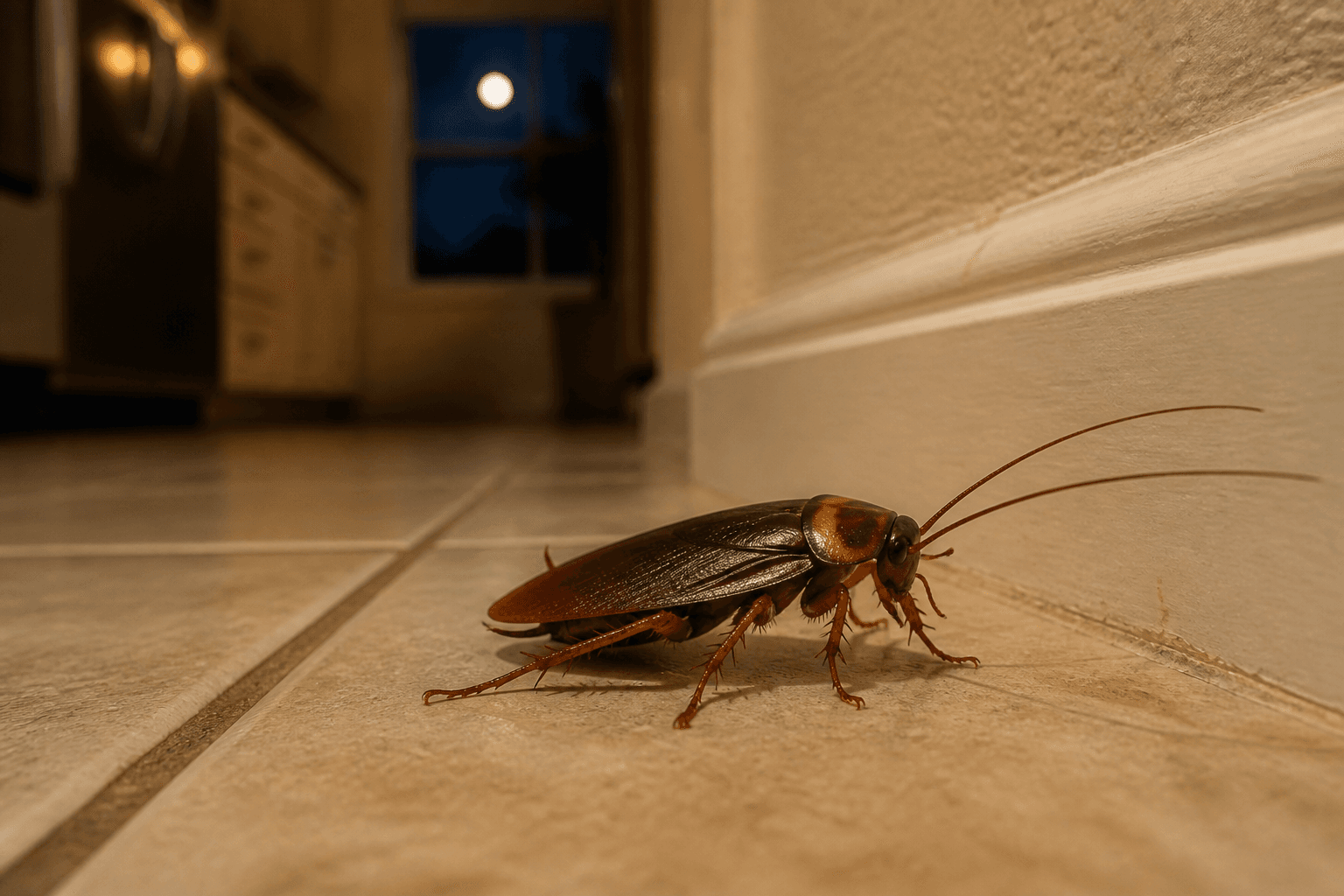
Unlike American cockroaches, which often enter from outdoors, German cockroaches are almost exclusively an indoor pest. They arrive via infested boxes, grocery bags, used appliances, or luggage - and once they're in, they're extremely reluctant to leave.
Signs You Have German Cockroaches in Florida
German cockroaches are nocturnal and prefer to stay hidden, which means you may have a significant population before you ever spot one in the open. Here's what to watch for:
Live cockroaches during the day - Daytime sightings usually indicate an overcrowded colony pushing individuals out of their hiding spots
Droppings - Small, dark specks resembling ground pepper or coffee grounds, typically found in corners, along edges, and inside cabinets
Smear marks - Dark, irregular streaks along walls and surfaces where cockroaches travel regularly
Egg capsules - Small, brown, bean-shaped casings found in hidden areas like under appliances, inside cabinet hinges, or behind drawer liners
Musty odor - A distinctive, unpleasant smell that intensifies as the population grows
Shed skins - Cockroaches molt several times as they develop, leaving behind translucent casings in harbourage areas
Where German Cockroaches Hide
German cockroaches are thigmotactic - they prefer tight, enclosed spaces where their bodies are in contact with surfaces on multiple sides. This makes them exceptionally good at hiding in places that are difficult to treat.
Common harbourage areas include:
Inside and under kitchen appliances (particularly refrigerators, dishwashers, and stoves)
Beneath and behind kitchen and bathroom cabinets
Inside electrical panels and wall voids
Around plumbing under sinks
Behind loose wallpaper and inside wall cracks
Beneath countertop edges and inside cabinet hinges
Understanding where they hide is essential to treating them effectively. Spraying countertops and open surfaces does very little when the colony is living deep inside a wall void or behind a refrigerator motor.
Why DIY Treatments Often Fail
German cockroaches are one of the most difficult pests to eliminate with over-the-counter products - and there are a few reasons for this.
First, many common spray products are repellent, meaning they push cockroaches away from treated areas rather than killing them at the source. This causes the colony to scatter deeper into the structure, making it harder to locate and treat effectively.
Second, German cockroach populations have developed widespread resistance to many common insecticides through decades of exposure. A product that works well in one area may have little effect on a Florida population that's been exposed to similar chemicals for generations.
Third, egg capsules are highly resistant to contact insecticides. Even a thorough spray treatment may kill adults while leaving behind viable eggs that will hatch within a few weeks, giving the appearance that the problem is resolved before it rebounds.
For homeowners interested in lower-toxicity approaches, Panther Pest Control's natural pest solutions offer effective alternatives that can play a meaningful role as part of a broader treatment plan.
What Professional Treatment Looks Like
Effective treatment for German cockroaches in Florida relies on an integrated approach that targets the colony at multiple points simultaneously.
Gel Bait
Gel bait is the cornerstone of professional German cockroach treatment. Applied in small amounts directly inside harbourage areas, it's eaten by cockroaches and spread through the colony via contact and ingestion. Because it's placed where cockroaches actually live - rather than on open surfaces - it's far more effective than most spray products.
Bait rotation is important over time, as cockroaches can develop bait aversion if the same product is used repeatedly.
Insect Growth Regulators (IGRs)
IGRs disrupt the reproductive cycle of German cockroaches, preventing nymphs from developing into reproducing adults. Combined with bait treatments, they're particularly effective at breaking the infestation cycle and preventing populations from rebounding after treatment.
Crack and Crevice Treatment
Professional-grade insecticide dusts and residual sprays applied directly into wall voids, cabinet interiors, and appliance harborages reach areas that surface treatments simply can't.
Follow-Up Inspections
Because German cockroaches reproduce so quickly, follow-up visits are an essential part of any effective treatment plan. Monitoring traps help gauge whether populations are declining and identify any remaining hotspots that need attention.
German cockroaches are also a serious concern for businesses, particularly in the food service, hospitality, and healthcare sectors. A single sighting can trigger a health inspection, damage a business's reputation, or create real liability issues. Panther Pest Control's commercial pest control services are designed to address German cockroach infestations thoroughly and discreetly.
The CDC notes that cockroach allergens are a recognized contributor to asthma and allergic reactions, particularly in children - making prompt treatment a health priority as much as a comfort one.
Preventing German Cockroaches From Moving In
Because German cockroaches almost always arrive via infested items rather than from outdoors, prevention is as much about what comes into your home as it is about what's already there.
Inspect grocery bags, boxes, and secondhand appliances before bringing them inside
Store food - including pet food - in sealed containers
Clean up crumbs and spills promptly, especially in the kitchen
Fix leaky pipes, dripping faucets, and any source of standing moisture
Empty and clean under kitchen appliances regularly
Seal cracks around plumbing, baseboards, and cabinet interiors
Avoid leaving dishes in the sink overnight
Take out garbage regularly and use bins with tight-fitting lids
In Florida's climate, even a small, consistent food or water source is enough to sustain and grow a German cockroach population. Cutting off access to both is your strongest preventive tool.
Don't Let a Small Problem Become a Large One
German cockroaches in Florida multiply fast and hide well. By the time most people notice the signs, the infestation is already well established. The good news is that with the right approach - targeted bait treatments, IGRs, and professional-grade products applied where cockroaches actually live - these infestations can be eliminated effectively.
Panther Pest Control serves homeowners and businesses across Florida with honest assessments, targeted treatments, and the local expertise that comes from working in this climate every day.
Contact Panther Pest Control today for a free quote and let's take care of it the right way.
Frequently Asked Questions
Are German cockroaches the most common cockroach in Florida?
German cockroaches are widely considered the most problematic indoor cockroach species in Florida and across the United States. While other species like the American cockroach and smoky brown cockroach are also common in Florida, German cockroaches reproduce faster, adapt more readily to indoor environments, and are significantly harder to eliminate once established.
How did German cockroaches get into my house if I keep it clean?
Cleanliness helps, but German cockroaches are most commonly introduced through infested items - grocery bags, cardboard boxes, used appliances, and even luggage. A clean home can still develop an infestation if a pregnant female arrives via one of these routes. Once inside, they'll find the moisture and food sources they need to establish quickly.
How long does it take to get rid of German cockroaches?
With professional treatment, most infestations show significant improvement within two to three weeks. However, because egg capsules are resistant to many treatments and populations can rebound quickly, follow-up visits are typically necessary over four to six weeks to confirm the infestation has been fully resolved.
Can German cockroaches make you sick?
Yes. German cockroaches can contaminate food and surfaces with bacteria including Salmonella, E. coli, and Listeria. Their droppings, shed skins, and body parts are also recognized allergens that can trigger asthma symptoms and allergic reactions - particularly in children and individuals with respiratory conditions.
Why do I keep seeing German cockroaches even after treating with sprays?
Most over-the-counter sprays are repellent rather than baiting products, which pushes cockroaches into deeper hiding spots rather than eliminating them. Many Florida cockroach populations have also developed resistance to common insecticides. Professional-grade gel bait treatments placed inside harbourage areas are significantly more effective for German cockroach control.