RodentsNovember 22, 20268 min read
How to Get Rid of Rats in Your House Fast (and Keep Them Out)
How to get rid of rats in your house fast: what kills rats immediately, where to set traps, why poison backfires & how to seal rats out of Florida homes.
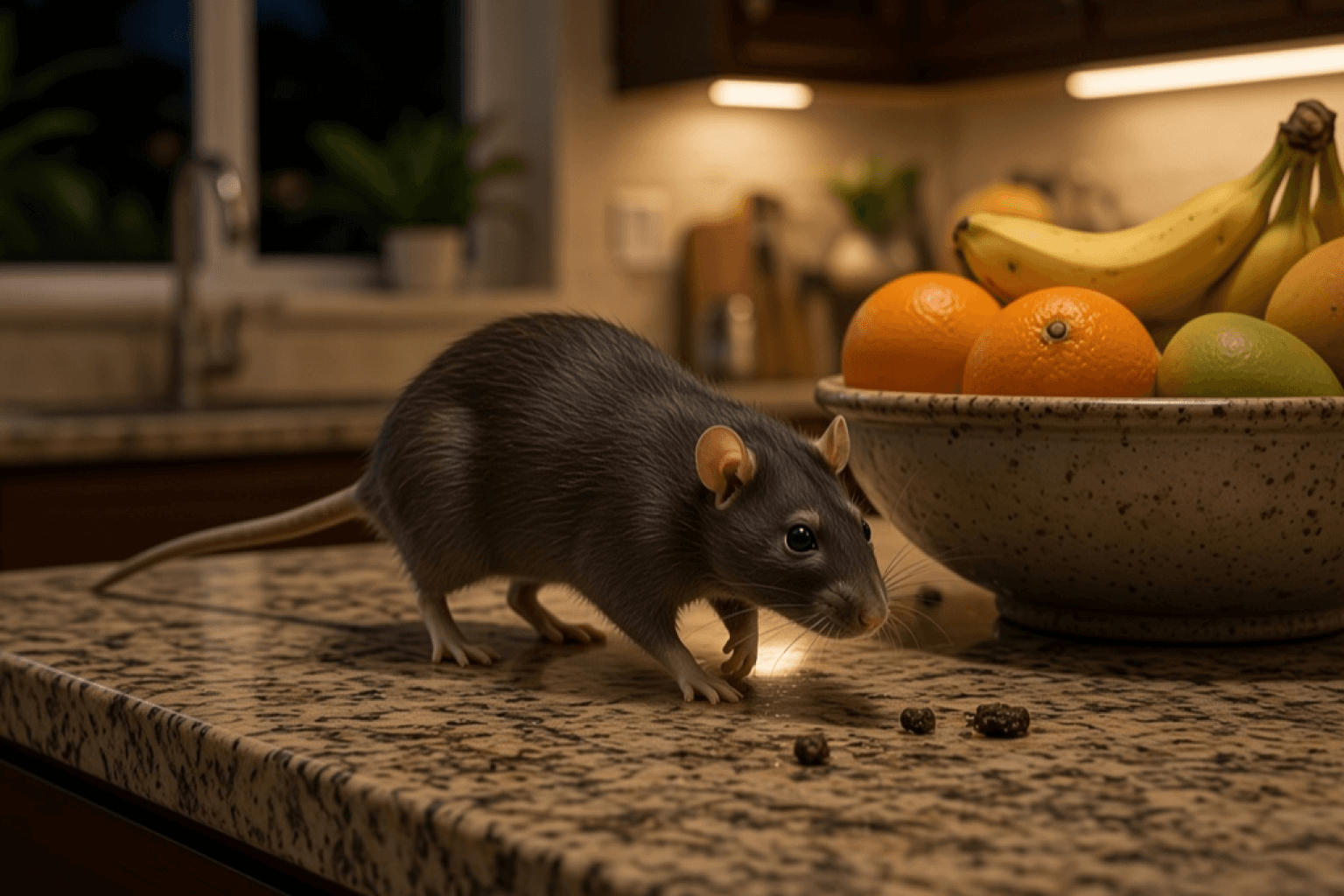
The fastest way to get rid of rats in your house is to trap the rats inside with snap traps set along their runways, then seal every gap they're using to get in. Properly placed snap traps kill rats instantly and often start working the first night. Sealing the entry points is what stops new rats from replacing them, and it's the step most people skip.
In Central Florida, the rat in your house is usually a roof rat living in the attic or walls. Here's a step-by-step plan to get rid of them fast, plus what does and doesn't work.
Step 1: Confirm it's rats (and where they are)
Before setting traps, figure out what you're dealing with:
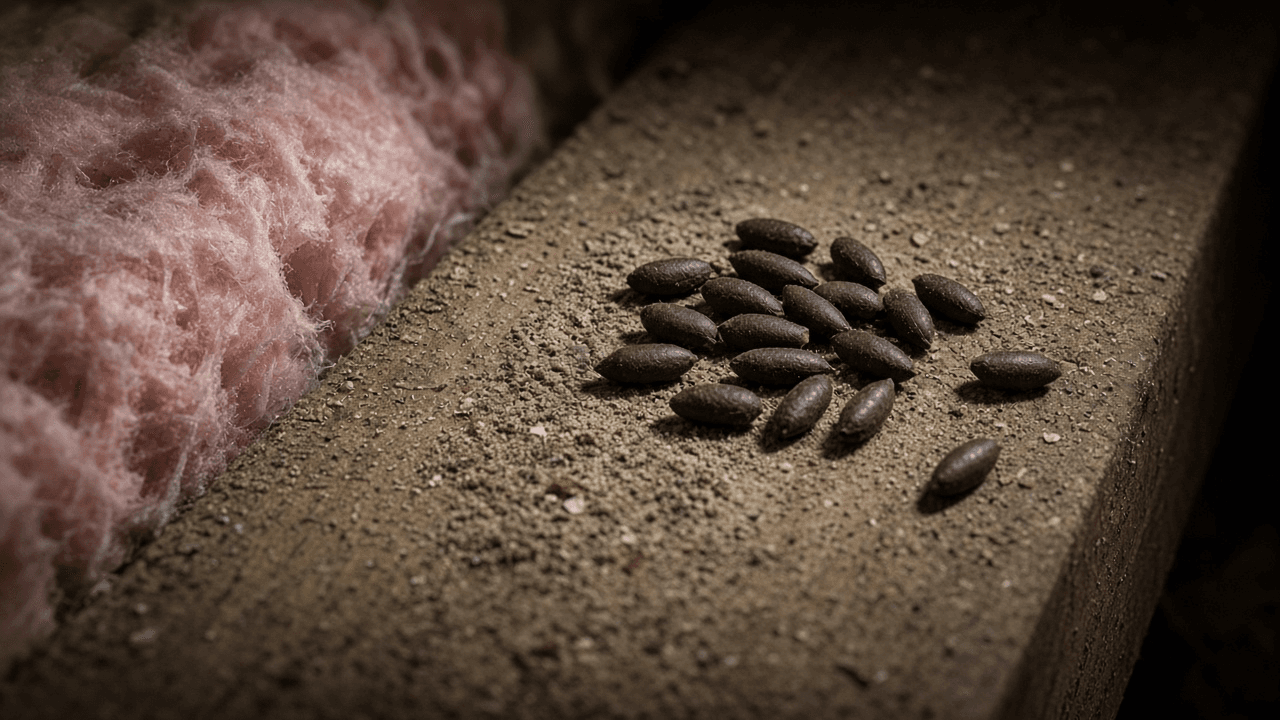
- Droppings about ½ to ¾ inch long mean rats. Rice-sized droppings mean mice. Compare them with our rat droppings guide.
- Scratching or scurrying at night in the attic or ceiling usually means roof rats.
- Grease marks along walls and beams show their travel routes.
- Gnawed wires, boxes, or food show where they're feeding.
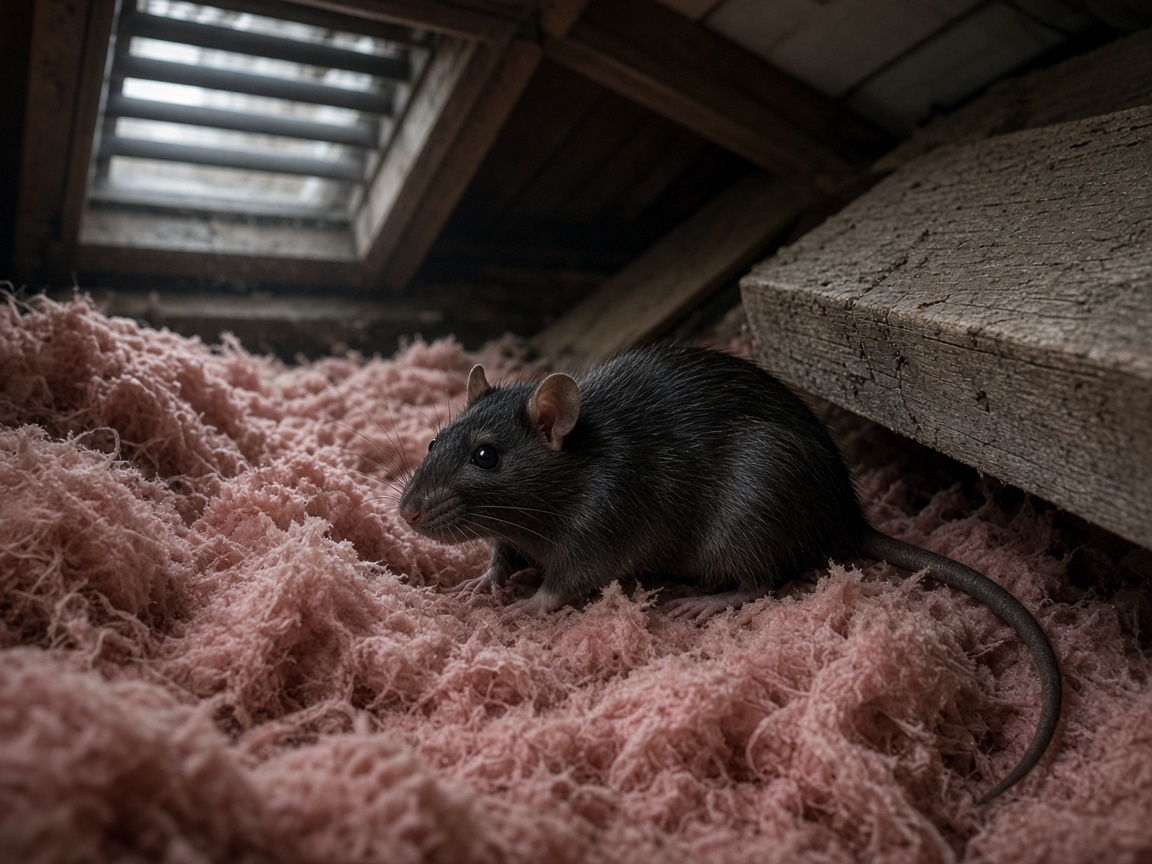
Roof rats are slender climbers that nest high: attics, wall voids, and the tops of cabinets. Norway rats are stockier and stay low, in garages and burrows near the foundation. See our roof rat vs Norway rat guide.
Step 2: Set snap traps the right way
What kills rats immediately? A properly set snap trap. It's fast, it doesn't use poison, and it lets you remove the rat right away instead of letting it die in your walls.
To make traps work fast:
- Use rat-sized traps, not mouse traps. Rats will spring small traps and escape.
- Set lots of them. Plan on at least 6 to 12 traps for an active infestation.
- Place them along walls and runways, with the trigger facing the wall, where you've seen droppings or grease marks. Rats rarely cross open floors.
- In the attic, set traps along rafters and near the soffits where roof rats enter.
- Bait without setting first. Rats are cautious of new objects. Leave baited, unset traps out for a night or two, then set them.
- Good baits: peanut butter, dried fruit, nuts, or a bit of bacon. Use only a small amount.
- Check traps daily and wear gloves when removing rats.
For more trap tips, see how to catch a rat in Florida homes or try our homemade rodent trap guide.
Step 3: Find and seal the entry points
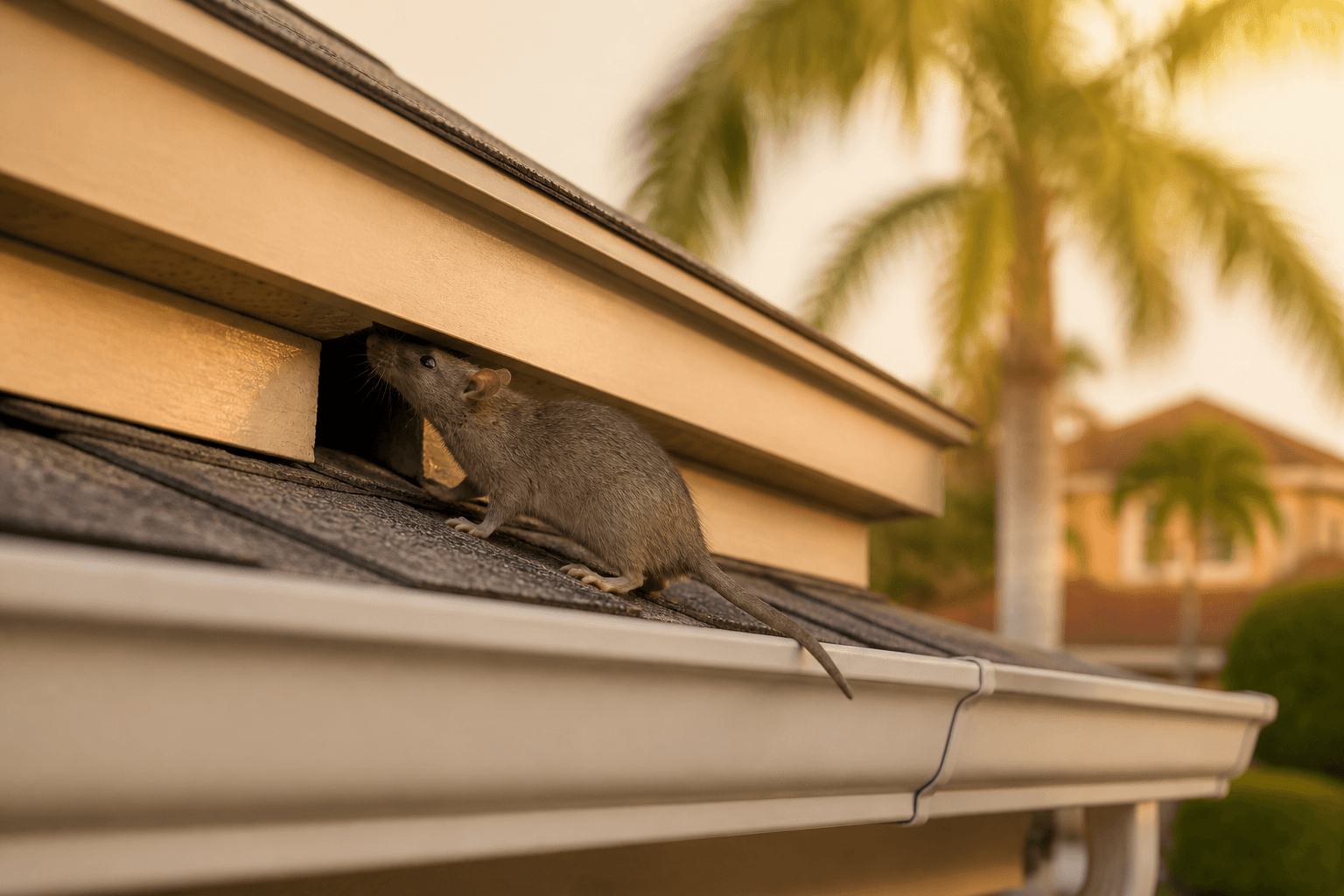
This is the step that actually solves the problem. A roof rat can squeeze through a gap the size of a quarter. As long as that gap is open, more rats will keep coming in no matter how many you trap.
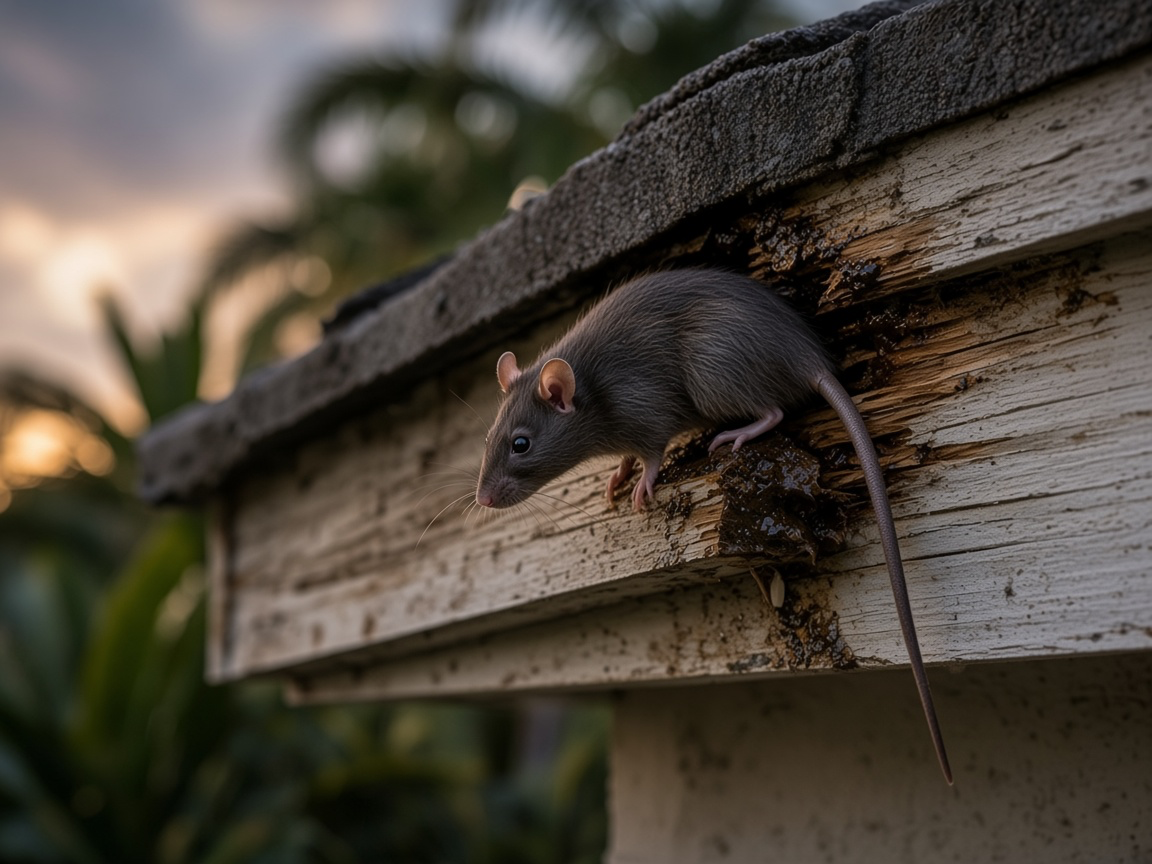
Common rat entry points on Florida homes:
- Soffit and fascia gaps at the roofline
- Roof vents and gable vents with torn or missing screens
- AC line and plumbing penetrations where pipes enter the wall
- Garage door corners and worn door seals
- Gaps around dryer vents and utility lines
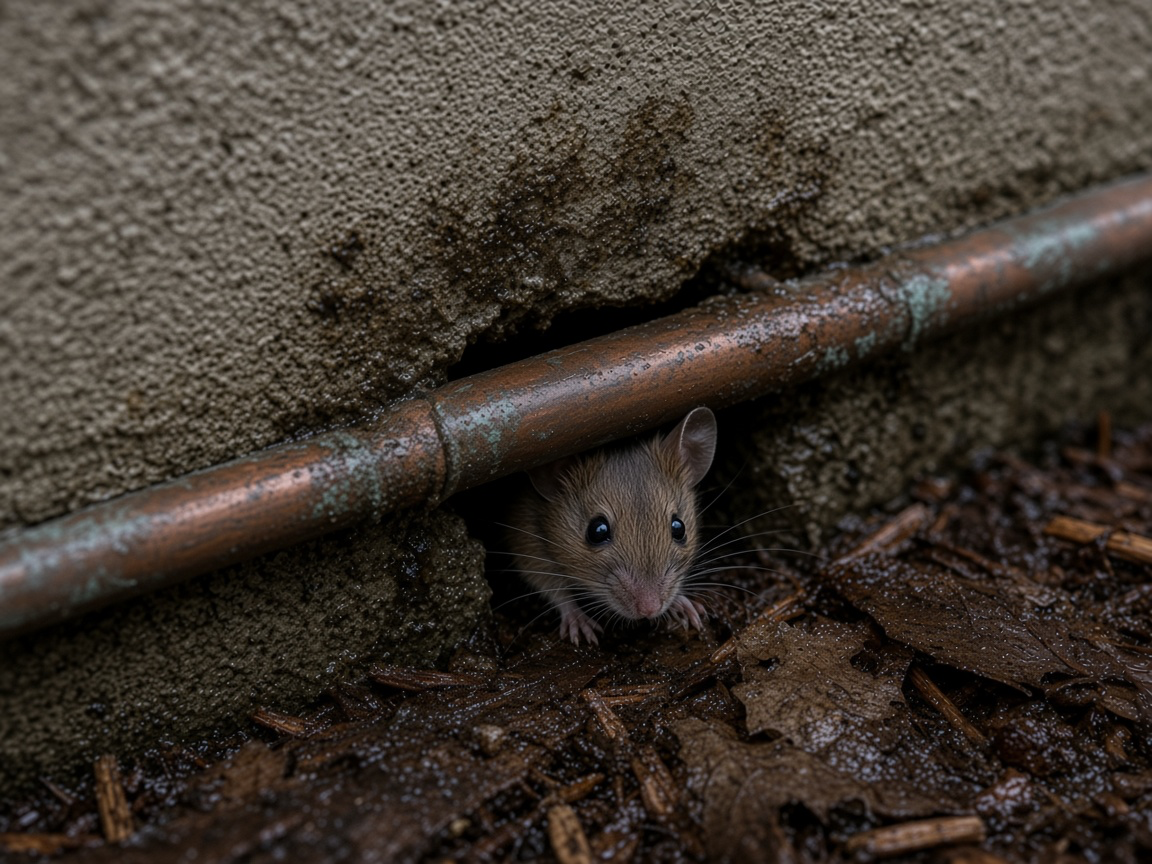
Seal gaps with rodent-proof materials such as hardware cloth, sheet metal, or copper mesh with sealant. Expanding foam alone won't stop rats. They chew right through it. Our rodent exclusion service seals every opening from the roofline to the foundation.
Step 4: Remove what's attracting them
Rats come in for food, water, and shelter. Cut off all three:
- Trim tree limbs and palm fronds at least 6 to 8 feet from the roof. Roof rats use them as highways.
- Pick up fallen fruit from citrus, mango, and avocado trees.
- Store pet food, bird seed, and grass seed in sealed metal or heavy plastic containers.
- Keep garbage cans closed and away from the house.
- Clear clutter in garages and attics where rats nest.
- Fix leaks and remove standing water.
Step 5: Clean up safely
Rat droppings and urine can carry bacteria, so clean carefully once the rats are gone:
- Ventilate the area for 30 minutes.
- Wear gloves, and add an N95 mask for attics or heavy contamination.
- Soak droppings with disinfectant or a bleach solution (1 part bleach to 10 parts water).
- Wipe up with paper towels and throw them away in a sealed bag. Never sweep or vacuum dry droppings.
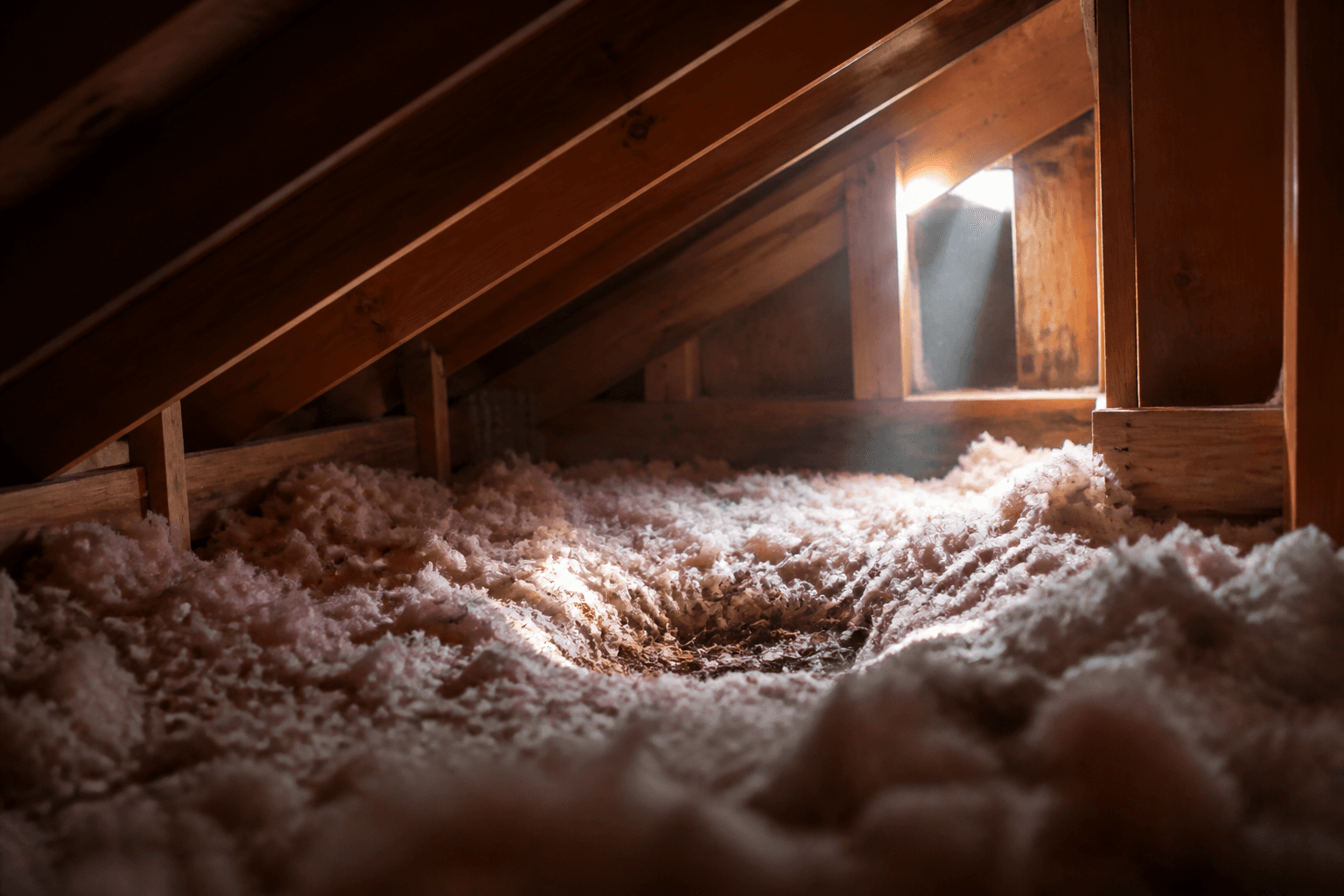
Heavily soiled attic insulation may need to be removed and replaced.
What about rat poison?
Poison might seem like the fastest fix, but it doesn't kill rats immediately. Most rat baits take several days to work. Inside a home, that creates problems:
- Rats often die inside walls or the attic, causing a strong odor for weeks.
- Poison is a risk to children, pets, and wildlife that eat poisoned rats.
- It does nothing about the entry points, so new rats move right back in.
If bait is used, it should go only in locked, tamper-resistant stations outside the home, placed by a professional.
Do home remedies get rid of rats?
Peppermint oil, mothballs, ultrasonic devices, and dryer sheets are popular, but there's little evidence they work against an established rat problem. At best, they may push rats to a different part of the house for a short time. Mothballs are also toxic to people and pets and shouldn't be used in living areas.
How long does it take to get rid of rats?
With good trapping and sealed entry points, most homes are rat-free in one to three weeks. If you're still catching rats after a few weeks, there's an entry point that hasn't been found yet.
When to call a rat exterminator
Call a professional if:
- You're hearing rats in the attic or walls and can't reach them
- You've trapped rats but keep catching more
- You see gnawed wiring, which is a fire risk
- You can't find how they're getting in
A professional rat exterminator can trap the rats, find and seal every entry point, and clean up contaminated areas. If you're seeing mice instead, see our mouse control service.
Frequently Asked Questions
What kills rats immediately?
A properly placed snap trap kills rats instantly. Rat poisons don't work immediately. Most take several days, and rats often die inside walls, which causes odor problems.
What is the fastest way to get rid of rats in the house?
Set multiple rat-sized snap traps along walls and runways where you've seen droppings, and seal the gaps they're using to get in. Trapping removes the rats inside, and sealing keeps new ones out.
What smell do rats hate?
Rats are said to dislike strong smells like peppermint oil and ammonia, but smells alone won't drive out an established infestation. Trapping and sealing entry points are what actually work.
Will rats leave on their own?
Rarely. If your home has food, water, and shelter, rats will stay and keep breeding. A female roof rat can have several litters a year.
How do I know the rats are gone?
No new droppings, no fresh gnaw marks, no noises at night, and empty traps for at least a week or two all mean the rats are gone, as long as the entry points have been sealed.
Need rats out of your house fast? Panther Pest Control offers free rodent inspections across Orlando and Central Florida. We'll remove the rats and seal them out for good. Get a free quote or call 407-713-7853.