Carpenter Ants in Florida: How to Identify Them and What to Do

Carpenter ants in Florida are more than just a nuisance - they're one of the most common wood-destroying insects in the state, capable of causing serious structural damage if left untreated. Unlike termites, they don't eat wood, but the tunnels they carve through it can be just as destructive over time.

If you've spotted large ants around your home or noticed unusual wood damage, this guide will help you understand what you're dealing with - and what to do about it. Panther Pest Control offers residential pest control across Florida to help homeowners identify and eliminate carpenter ant infestations before they get out of hand.

carpenter ants florida​

Why Florida Is a Hotspot for Carpenter Ants

Florida's warm, humid climate creates near-ideal conditions for carpenter ants year-round. While many pests slow down in cooler months, carpenter ants in Florida remain active throughout the year, giving colonies more time to grow and spread.

The state's abundance of moisture-damaged wood - from aging homes to hurricane-affected structures - gives carpenter ants plenty of places to establish nests. Add in the lush landscaping and tree canopy common across Florida neighborhoods, and you have a ready-made environment for these pests to thrive.

According to the University of Florida IFAS Extension, Florida is home to several carpenter ant species, with the Florida carpenter ant (Camponotus floridanus) being the most commonly encountered in residential settings.

How to Identify Carpenter Ants in Florida

Carpenter ants are among the largest ants you'll encounter in Florida. Here's what to look for:

  • Size - Workers range from 1/4 to 1/2 inch in length. Winged reproductive ants (swarmers) can be even larger.

  • Color - The Florida carpenter ant is typically bicolored, with a reddish-orange head and thorax and a black abdomen. Other species may be entirely black or dark brown.

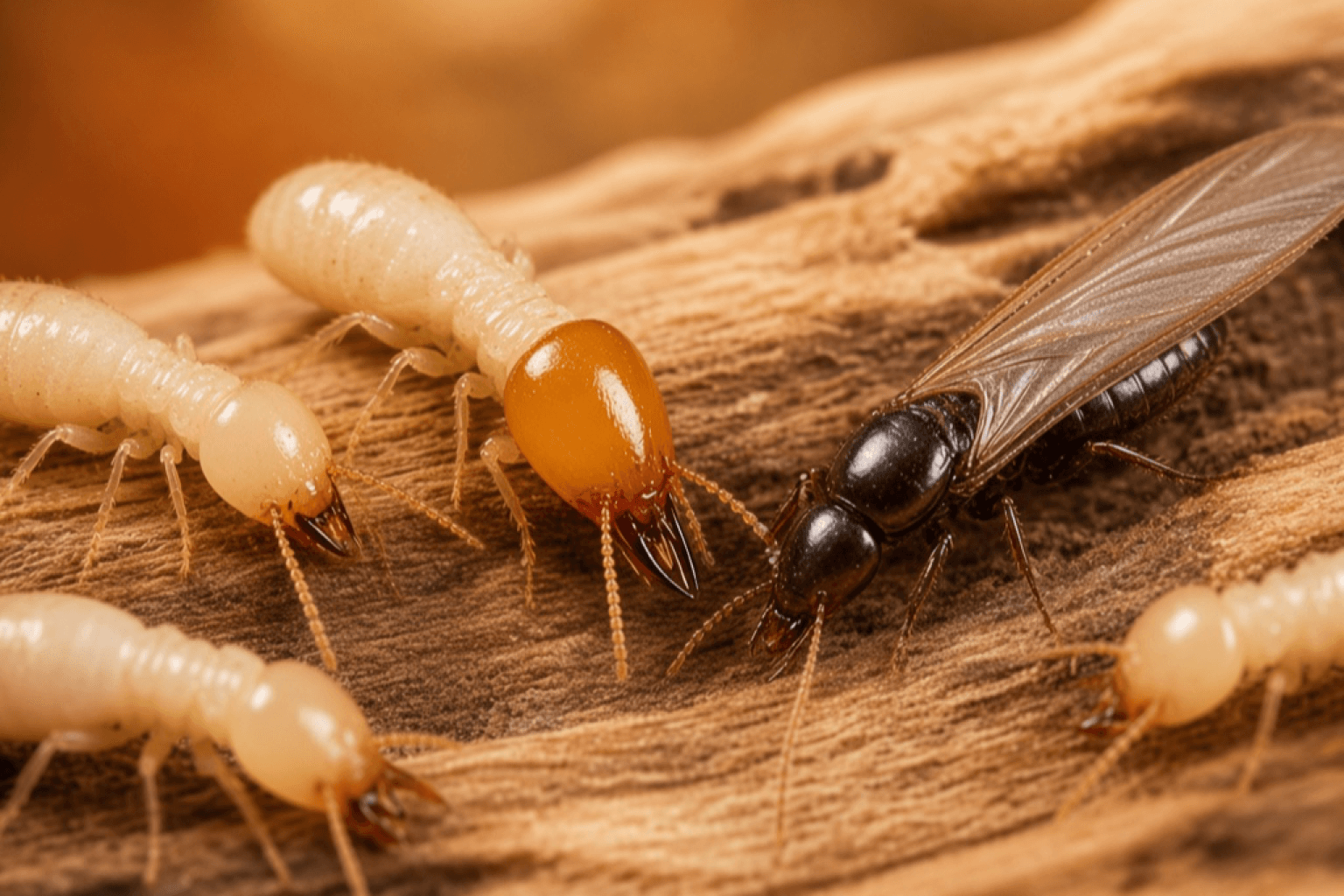
  • Body shape - Like all ants, they have a segmented body with a narrow, pinched waist - which distinguishes them from termites, which have a straight, broad waist.

  • Antennae - Bent or elbowed antennae, compared to the straight, beaded antennae of termites.

If you see winged ants emerging from walls, windowsills, or wooden structures inside your home, that's a strong indicator of an established indoor colony.

carpenter ants florida​

Signs of a Carpenter Ant Infestation

Carpenter ants are most active at night, which means you may not see them often - even if a large colony is living in your walls. Here are the signs to watch for:

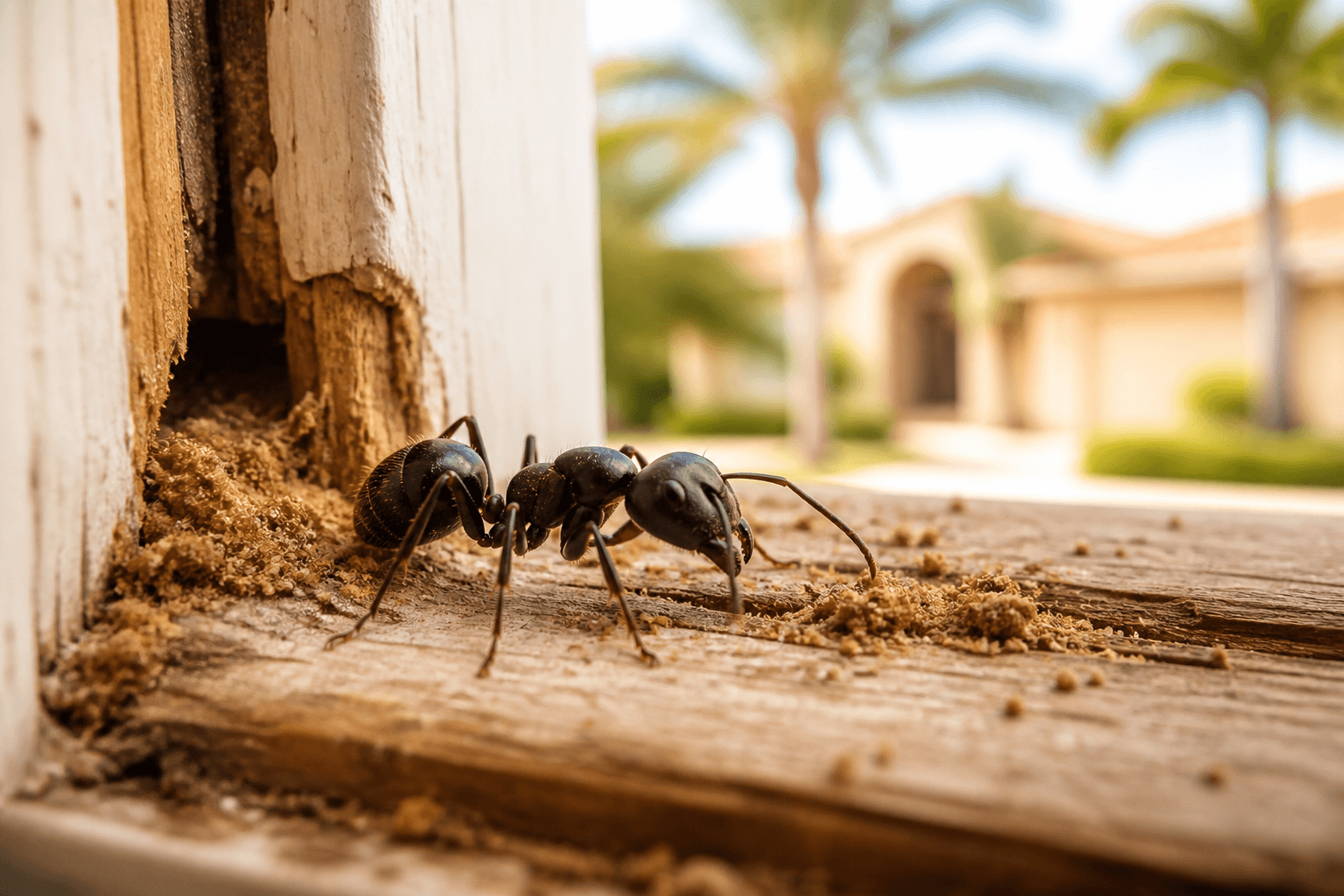
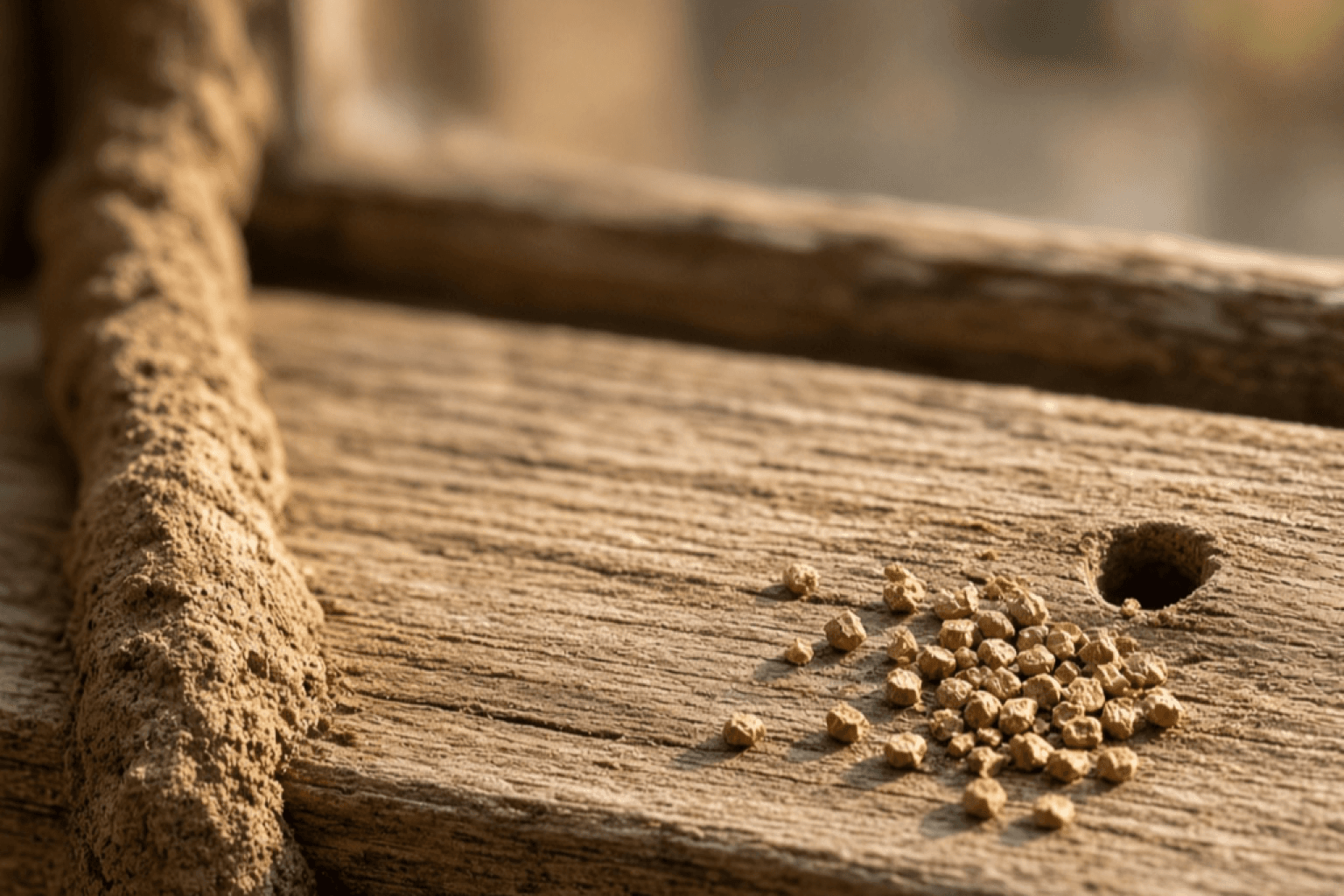
  • Frass - Carpenter ants push debris out of their galleries as they tunnel. This frass looks like coarse sawdust and may contain insect parts. Finding it near baseboards, window frames, or wooden structures is a key warning sign.

  • Hollow-sounding wood - Tap on wooden surfaces. If they sound hollow where they shouldn't, ants may be tunneling inside.

  • Rustling sounds - Large colonies can sometimes be heard inside walls, particularly at night.

  • Live ants - Spotting large ants after dark, inside your home or foraging near wooden structures outside.

  • Swarmers - Winged carpenter ants found indoors almost always mean a colony is already established somewhere in the structure.

The Damage Carpenter Ants Can Cause

Carpenter ants don't eat wood - they excavate it. They carve out smooth, clean galleries to use as nesting space, and the longer a colony is present, the more extensive the damage becomes.

Over time, this excavation can compromise the structural integrity of wooden beams, floor joists, wall studs, and window frames. Unlike termite damage, carpenter ant galleries have a smooth, finished appearance rather than the rough, soil-packed look termites leave behind.

What makes the damage particularly tricky is how slowly it progresses. A colony can quietly expand inside your walls for months or years before anything becomes visible - and by that point, repairs can be costly.

How to Get Rid of Carpenter Ants in Florida

Treating carpenter ants effectively means more than killing the ants you can see. It means locating and eliminating the nest.

Find the Source

The first step is identifying where the colony is nesting. Carpenter ants often establish satellite colonies inside homes while maintaining a parent colony in a nearby tree, stump, or wood pile. A professional inspection can trace activity back to the source.

Address Moisture Issues

Since carpenter ants are strongly drawn to moisture-damaged wood, fixing the underlying moisture problem is essential. Leaky pipes, poor drainage, and inadequate ventilation are all common culprits in Florida homes.

Professional Treatment

Over-the-counter sprays may kill individual ants but rarely reach the nest. Professional treatment typically involves targeted application of residual insecticides to nesting sites, wall voids, and entry points - along with bait products that workers carry back to the colony.

For businesses dealing with carpenter ants, Panther Pest Control's commercial pest control services provide thorough inspections and targeted treatment plans that protect your building and your bottom line.

Preventing Carpenter Ants in Your Florida Home

Prevention is always easier than treatment. Here are the most effective steps you can take to reduce your risk:

  • Fix leaky pipes, faucets, and roof issues promptly

  • Ensure proper ventilation in crawl spaces and attics

  • Keep firewood stored well away from your home's exterior

  • Trim trees and shrubs so branches don't touch your roofline or walls

  • Seal cracks and gaps around windows, doors, and utility penetrations

  • Remove dead trees, stumps, and rotting wood from your yard

  • Keep gutters clean to prevent water buildup near the roofline

In Florida's humid climate, staying on top of moisture management is one of the most powerful things you can do to keep carpenter ants - and many other pests - from moving in.

carpenter ants florida​

Don't Let Carpenter Ants Go Unchecked

Carpenter ants in Florida are a year-round concern, and their ability to stay hidden while quietly damaging your home makes them one of the more frustrating pests to deal with. The good news is that with the right expertise, they can be identified, treated, and kept out for good.

Panther Pest Control serves homeowners and businesses across Florida with targeted, effective pest solutions. Our technicians know exactly what to look for and how to get to the root of the problem - not just the surface.

Contact Panther Pest Control today for a free quote and let's take care of it together.

Frequently Asked Questions

Are carpenter ants common in Florida?

Yes - carpenter ants are one of the most common wood-destroying insects found in Florida homes and businesses. The state's warm, humid climate and abundance of moisture-prone wood make it an ideal environment for them to thrive year-round.

How do I know if I have carpenter ants or termites?

The easiest way to tell them apart is body shape and the type of damage they leave. Carpenter ants have a pinched waist and bent antennae, and their galleries are smooth and clean. Termites have a straight waist and straight antennae, and their damage tends to look rough and soil-packed. Finding frass - coarse sawdust-like debris - near wood is typically a sign of carpenter ants.

Can carpenter ants damage a concrete block home?

Carpenter ants don't damage concrete, but many Florida homes have wooden roof structures, door and window frames, and interior elements that are vulnerable. Even in block construction, carpenter ants can establish nests in moist or damaged wood and cause significant localized damage over time.

Do carpenter ants bite?

Carpenter ants can bite if they feel threatened, and some species spray formic acid into the wound, which may cause brief irritation. They are not venomous and are not considered a significant health threat. Their primary risk is the structural damage they cause to your home.

Why am I seeing large ants in my house at night?

Carpenter ants are nocturnal, so spotting large ants after dark - particularly near wooden structures, windowsills, or in the kitchen - is a common early sign of an infestation. If you're seeing them regularly inside your home, it's worth having a professional inspection done sooner rather than later.

Previous
Previous

Fire Ants in Florida: What You Need to Know (and How to Get Rid of Them)

Next
Next

Carpenter Ants vs Termites: How to Tell the Difference (and Why It Matters)