

How to Get Rid of Cockroaches: The Best Pest Killers and Traps That Actually Work
Cockroaches are one of the most stubborn pests you'll encounter - and in Florida's warm, humid climate, they're also one of the most common. Whether you're dealing with a few stragglers in the kitchen or a full-blown infestation, knowing how to use the right cockroach pest killer and how to trap cockroaches effectively can make a real difference in how quickly you get the problem under control.
This guide covers the most effective methods for eliminating cockroaches, from trapping and baiting to prevention. If you're already dealing with an active infestation at home, Panther Pest Control's residential pest control services can help you get on top of it fast.
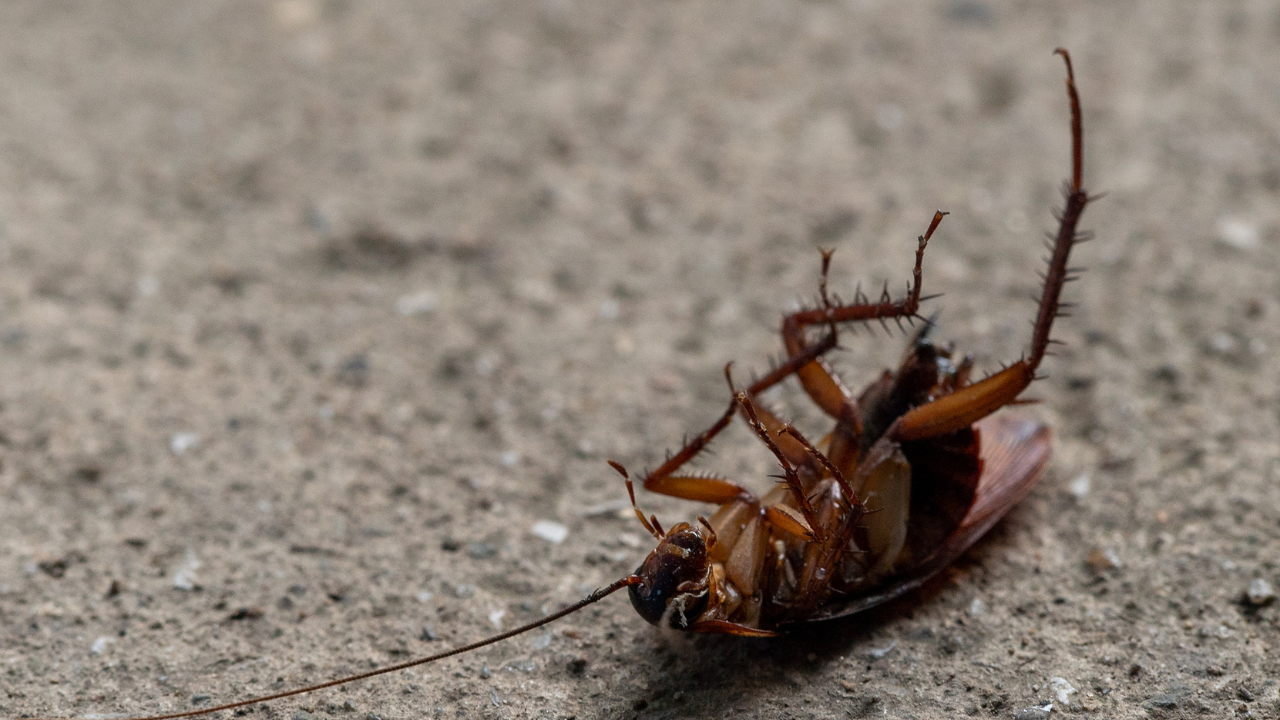
Why Cockroaches Are So Hard to Get Rid Of
Cockroaches have survived for hundreds of millions of years - and they've done it by being remarkably adaptable. They reproduce quickly, hide in tight spaces, are largely nocturnal, and have developed resistance to many common pesticides over time.
A single female German cockroach can produce hundreds of offspring in her lifetime. Their eggs are protected by a hard casing called an ootheca that many surface sprays can't penetrate.
This is why a targeted, multi-method approach - combining traps, baits, and the right pest killer - is far more effective than reaching for a can of spray and hoping for the best.
Common Cockroaches in Florida
Before choosing a treatment method, it helps to know what you're dealing with. According to the University of Florida IFAS Extension, the most common species in Florida include:
American cockroach - Large, reddish-brown, and often found in sewers, drains, and damp areas. Sometimes called a palmetto bug.
German cockroach - Smaller and tan with two dark stripes. Prefers kitchens and bathrooms and is considered the most problematic indoor species.
Smoky brown cockroach - Dark brown and strongly attracted to light. Common in humid outdoor environments.
Florida woods cockroach - Large and slow-moving, usually found outdoors or in garages.
Knowing your species allows you to target treatment more precisely. German cockroaches, for example, respond particularly well to gel bait, while American cockroaches are more commonly addressed with perimeter barrier treatments.
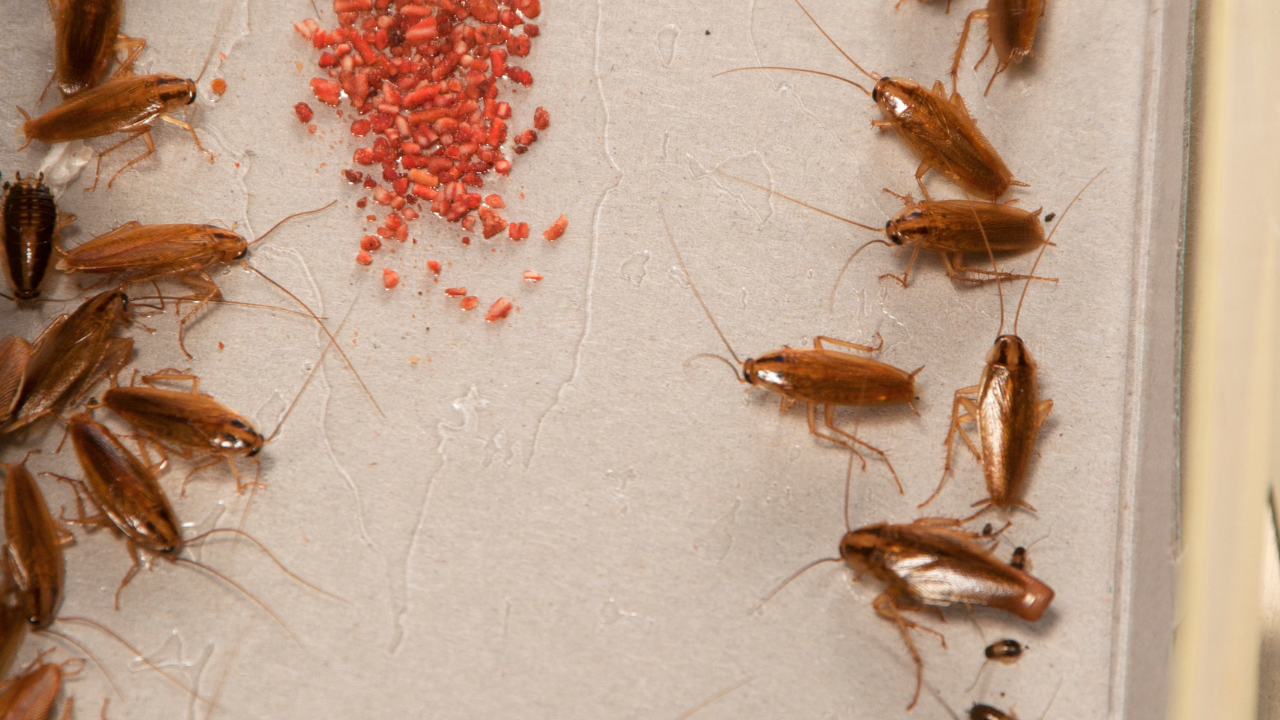
How to Trap Cockroaches
Learning how to trap cockroaches is one of the most practical first steps you can take - not just to reduce numbers, but to monitor activity and pinpoint where infestations are concentrated.
Glue Traps
Glue traps (also called sticky traps) are flat boards coated in a strong adhesive. Cockroaches walk across them and get stuck. They're non-toxic, inexpensive, and excellent for identifying hotspots.
Place them along walls, behind appliances, under sinks, and inside cabinets - anywhere cockroaches are likely to travel. On their own, glue traps won't eliminate an infestation, but they're a valuable diagnostic tool and a useful supplement to other treatments.
Bait Stations
Bait stations are small enclosed devices that contain a cockroach pest killer in the form of a poisoned attractant. Cockroaches enter the station, feed on the bait, and carry it back to the nest - where it spreads to other members of the colony.
Bait stations are one of the most effective ways to trap cockroaches and reduce populations at the source. Placed correctly, they're safe to use around children and pets and work well for both indoor and outdoor infestations.
Pheromone Traps
Pheromone-based traps use synthetic chemicals that mimic cockroach attractants to draw them in. These are especially useful for monitoring activity levels and tend to be more effective than plain glue traps. They work best as part of a broader control strategy rather than a standalone solution.
Choosing the Right Cockroach Pest Killer
Not all cockroach pest killer products are created equal. Effectiveness varies significantly depending on the species, the extent of the infestation, and how the product is applied.
Gel Baits
Gel bait is widely regarded as one of the most effective cockroach pest killer options available, particularly for German cockroaches. Applied in small dots near cracks, crevices, and harbourage areas, it's eaten by cockroaches and spread through the colony via contact and ingestion.
Gel baits are slow-acting by design. Fast-killing products can repel cockroaches before they have a chance to share the bait, so the delayed action is exactly what makes them effective at hitting the whole colony.
Boric Acid
Boric acid is a naturally occurring compound that acts as a stomach poison and affects the cockroach's nervous system. Applied as a thin dust in wall voids, under appliances, and along baseboards, it's a long-lasting treatment that cockroaches pick up on their bodies as they move through treated areas.
Boric acid works best when applied lightly and in areas with regular cockroach traffic. It loses effectiveness when wet, so proper placement matters.
Insect Growth Regulators (IGRs)
IGRs don't kill cockroaches directly - they disrupt their reproductive cycle, preventing nymphs from developing into breeding adults. Combined with baits or contact insecticides, IGRs are a powerful tool for breaking the infestation cycle and stopping populations from rebounding.
The EPA's guidance on integrated pest management recommends combining multiple control methods - such as traps, baits, and IGRs - for the most effective and sustainable results.
Natural Cockroach Control Options
If you'd prefer to start with lower-toxicity approaches, there are natural methods that can help manage cockroach activity - particularly as a complement to other treatments.
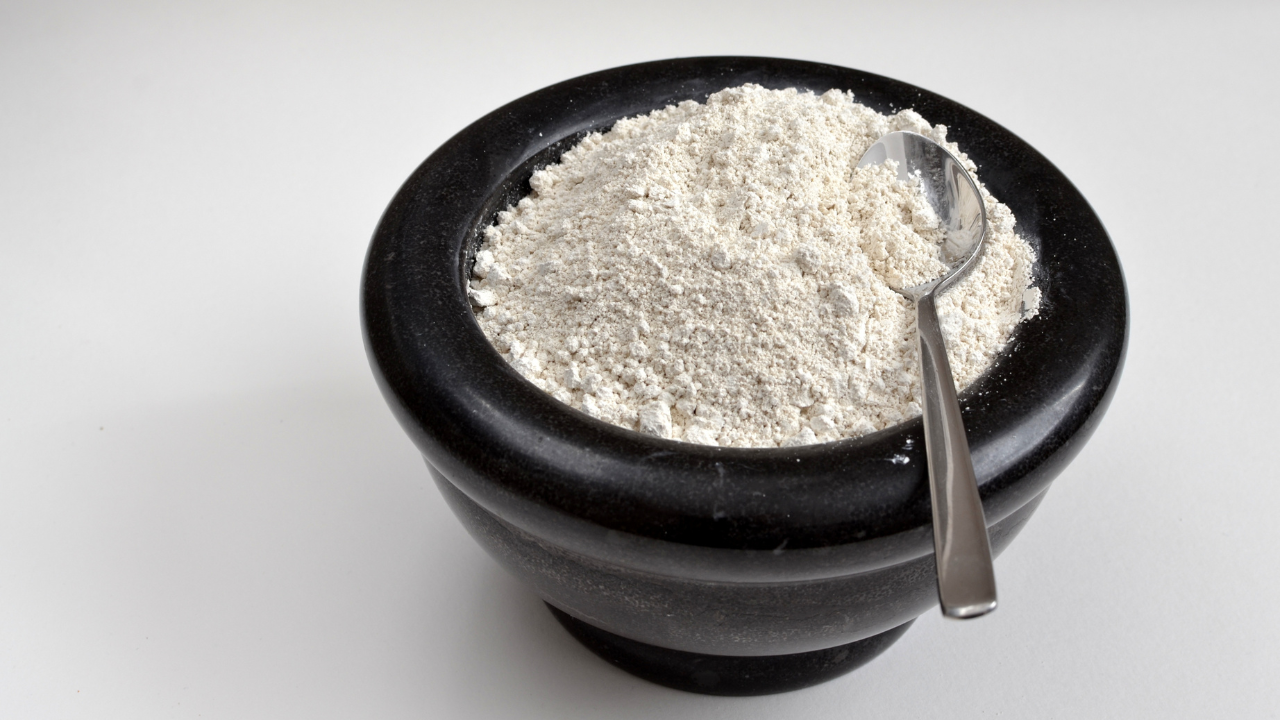
Diatomaceous earth, essential oil-based sprays, and boric acid (a naturally occurring compound) can all deter cockroaches and disrupt their movement through certain areas. For homeowners interested in gentler options, Panther Pest Control's natural pest solutions offer effective treatments that are easier on the environment without sacrificing results.
Natural treatments alone are rarely sufficient for a significant infestation, but they can play a meaningful role as part of a broader plan.
When DIY Isn't Enough
There's a point with any cockroach infestation where over-the-counter products simply aren't going to cut it. Signs that it's time to call a professional include:
Seeing cockroaches during the day (a sign of a large, overcrowded colony)
Finding droppings, egg cases, or shed skins in multiple areas of your home
A persistent musty or oily odor in your kitchen or bathrooms
Activity that returns quickly after DIY treatment
Commercial properties face particular challenges with cockroaches. Food safety regulations, health inspections, and the risk of a visible infestation can all have serious consequences for a business. Panther Pest Control's commercial pest control services are designed to address cockroach problems thoroughly and discreetly, with minimal disruption to your operations.
Preventing Cockroaches From Coming Back
Once an infestation is under control, prevention is what keeps it that way. Cockroaches are resourceful, and they'll return if the conditions allow.
Store food in sealed containers and avoid leaving pet food out overnight
Clean up crumbs and spills promptly, particularly in the kitchen
Fix leaky pipes and faucets - cockroaches need water to survive
Seal cracks and gaps around pipes, baseboards, and entry points
Keep clutter to a minimum, especially in dark storage areas
Take out the trash regularly and use bins with tight-fitting lids
Inspect boxes and second-hand appliances before bringing them inside
Cockroaches are hitchhikers as much as they are invaders - many infestations start with a single egg case carried in unnoticed.
The Bottom Line on Getting Rid of Cockroaches
Cockroaches are persistent, but they're not unbeatable. Using the right cockroach pest killer, knowing how to trap cockroaches strategically, and staying consistent with prevention can make a real dent in even a stubborn infestation.
For the fastest and most reliable results, working with a professional who knows how to treat the problem at its source is the smartest move you can make.
Panther Pest Control serves homeowners and businesses across Florida with targeted, effective solutions. We'll identify the species, locate the hotspots, and put together a treatment plan that works for your situation.
Contact Panther Pest Control today for a free quote and let's get your home or business cockroach-free.
Frequently Asked Questions
What is the most effective cockroach pest killer?
Gel bait is widely considered one of the most effective cockroach pest killer options, particularly for German cockroaches. It works by allowing cockroaches to carry the bait back to the nest, targeting the colony at the source. For best results, it should be used alongside other methods like traps and insect growth regulators.
Where is the best place to trap cockroaches?
The most effective spots to trap cockroaches are along walls and in corners, behind and under kitchen appliances, under sinks, inside cabinets, and near drains. Cockroaches prefer to travel along edges rather than open spaces, so placing traps along these routes increases your chances significantly.
How do I know if I have a cockroach infestation?
Common signs include seeing live cockroaches - particularly during the day - finding dark, pepper-like droppings, noticing a musty or oily smell, or discovering egg cases in hidden areas. Daytime sightings often indicate the colony has grown large enough to push individuals out of their usual hiding spots.
Are cockroaches dangerous?
Yes. Cockroaches can contaminate food and surfaces with harmful bacteria including Salmonella and E. coli. Their shed skins and droppings are also known allergens and can trigger asthma symptoms, particularly in children. The World Health Organization recognizes cockroaches as carriers of pathogens that pose a genuine public health risk.
Can I get rid of cockroaches without professional help?
For small, early-stage infestations, a combination of gel baits, traps, boric acid, and good sanitation practices can be effective. However, for larger or recurring infestations, professional treatment is usually necessary to fully eliminate the colony and prevent it from returning.