Lovebugs in Florida: What They Are and How to Repel Them

If you've spent any time in Florida between April and September, you know the lovebug. These small, slow-flying insects appear in massive swarms twice a year, coating windshields, clogging grilles, and covering anything left outside. While they may seem harmless - and in many ways they are - dealing with lovebugs in Florida is a seasonal reality that every resident eventually faces.

This guide covers what lovebugs are, why Florida gets them so bad, and the most practical ways to repel lovebugs from your home, yard, and vehicle. For other pest concerns around your property, Panther Pest Control's residential pest control team is always ready to help.

lovebug florida​

What Are Lovebugs?

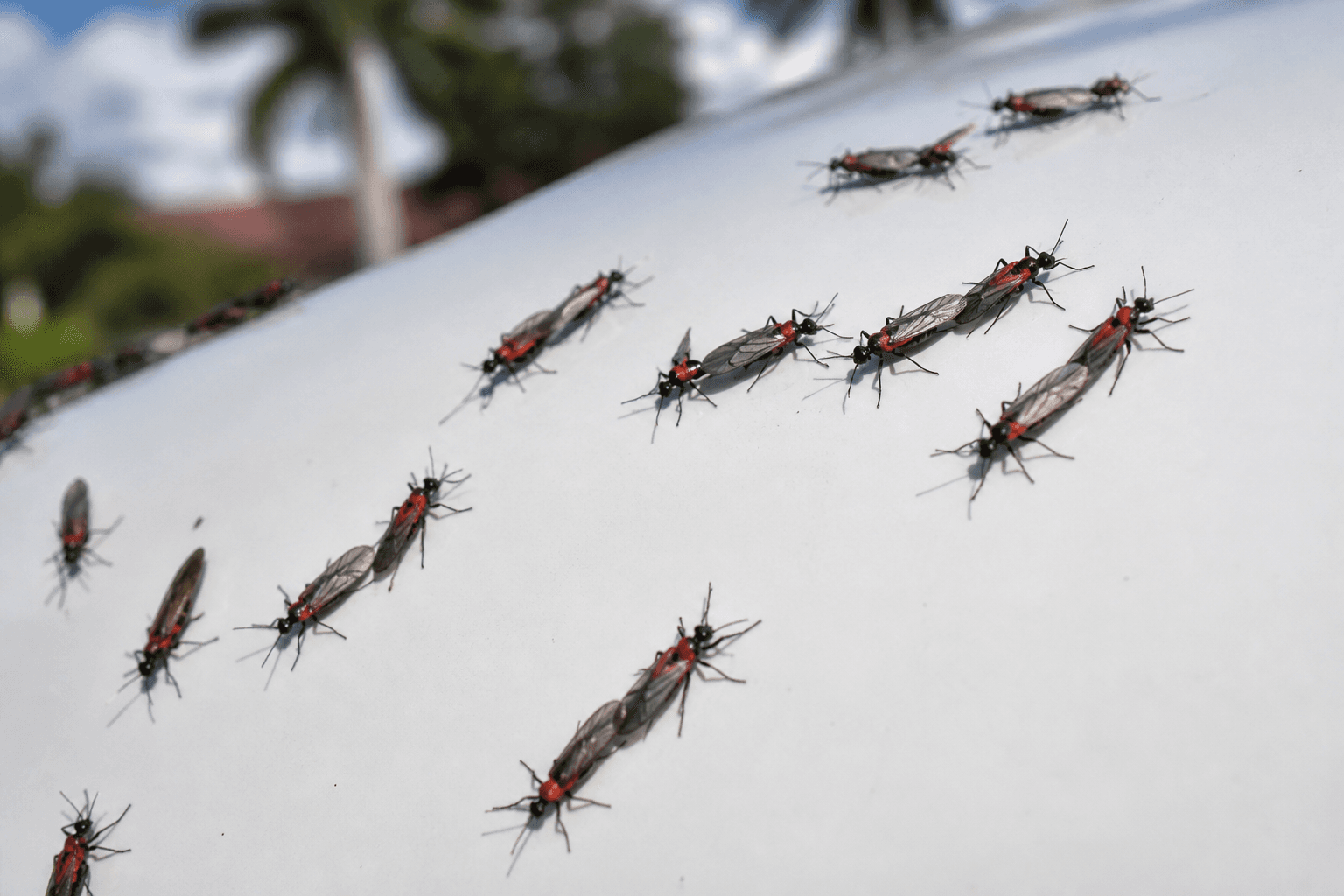
Despite the name, lovebugs aren't actually bugs - they're flies. Specifically, they belong to the species Plecia nearctica, a member of the march fly family. They get their common name from their habit of flying in tandem while mating, which can last for several days at a time.

Lovebugs are small, typically around 6 to 9mm long, with a black body and a distinctive red thorax. They're slow fliers and tend to gather in large groups, which is part of what makes them such a nuisance during peak season.

Despite their overwhelming numbers, lovebugs don't bite, don't sting, and aren't known to transmit diseases. Their impact is more about volume than venom.

Why Lovebugs Are Such a Problem in Florida

Lovebugs in Florida thrive because the state's climate and landscape are near-ideal for their lifecycle. Their larvae develop in moist, decomposing organic matter - exactly the kind of environment found in Florida's roadside vegetation, lawns, and landscaped areas.

According to the University of Florida IFAS Extension, lovebugs are particularly abundant along Florida highways, where decomposing plant material provides ideal breeding conditions. This is why you're most likely to encounter them during long drives - swarms can be thick enough to reduce visibility and overwhelm your windshield within minutes.

Adults are also strongly attracted to heat, light-colored surfaces, and exhaust fumes, which is why vehicles tend to take the brunt of lovebug season.

When Is Lovebug Season in Florida?

Lovebugs in Florida have two main flight seasons each year:

  • Spring season - Late April through May

  • Fall season - Late August through September

Each season typically lasts three to four weeks. During peak activity, swarms can be dense enough to feel like a genuine infestation - particularly in central and northern Florida, where populations tend to be heaviest.

Warm, humid days with low wind are when lovebugs are most active. They slow down considerably in cooler temperatures and are rarely active before 10 AM or after dark.

how to repel lovebugs​

Are Lovebugs Dangerous?

Lovebugs pose no direct threat to humans or pets. They don't bite, sting, or carry disease. However, they can cause real damage if left unattended on your vehicle.

Lovebug bodies are highly acidic, and when they splatter on car paint and are left in the sun, the acid can etch into the finish and cause permanent damage. The longer they're left on the surface, the harder they become to remove - and the more harm they can do. This is especially true in Florida's intense heat.

For this reason, washing your car promptly after driving through a swarm is strongly recommended. Many Florida drivers apply a layer of wax or paint protection film before lovebug season as a preventive measure.

How to Repel Lovebugs

While there's no way to completely eliminate lovebugs during peak season, there are several effective strategies for how to repel lovebugs from your home, yard, and vehicle.

Keep Your Yard Clean and Debris-Free

Lovebugs are attracted to decomposing plant material, which is where they lay their eggs. Reducing organic debris in your yard - including fallen leaves, grass clippings, and decaying mulch - can help limit the breeding sites near your home.

Keep your lawn mowed and garden beds tidy, particularly in the weeks leading up to lovebug season.

Use Fans and Air Movement

Lovebugs are weak fliers and struggle in moving air. Installing or running outdoor fans on patios, porches, and entryways during peak season can help keep them away. This is a simple, chemical-free approach to making outdoor spaces more comfortable during swarm periods.

Protect Your Vehicle

Applying a coat of wax or a spray paint sealant before and during lovebug season creates a barrier that makes insects easier to remove and helps prevent acid damage to your paint. Baby oil and dryer sheets are popular Florida folk remedies for protecting car hoods and bumpers - results vary, but many drivers use them for temporary relief between washes.

Whatever you use, rinse your car thoroughly after every drive through a heavy swarm.

Reduce Outdoor Lighting

Like many flying insects, lovebugs are attracted to light. Adjusting outdoor lighting during peak season - particularly white or UV-emitting bulbs - can help reduce how many are drawn to your home's exterior. Switching to warm yellow or amber bulbs is a low-effort change that can make a noticeable difference.

Try Natural Repellent Options

Some homeowners find success with natural repellent sprays containing essential oils like citronella, peppermint, or eucalyptus applied around entry points and outdoor living areas. These won't eliminate lovebugs entirely, but they can help reduce how many linger around your porch or patio.

For broader seasonal pest management that goes beyond lovebugs, Panther Pest Control's natural pest solutions offer effective, environmentally conscious treatments tailored to Florida's unique pest calendar.

how to repel lovebugs​

Lovebugs and Commercial Properties

Commercial properties aren't immune to lovebug season. For businesses with large parking lots, outdoor seating, or customer-facing storefronts, heavy swarms can create a poor first impression and cause damage to fleet vehicles.

Regular exterior maintenance, outdoor fan installation, and proactive seasonal pest management can go a long way toward protecting your business during peak periods. Panther Pest Control's commercial pest control team can help put together a seasonal plan that keeps your property looking and functioning its best year-round.

A Few Precautions Before Season Hits

A little preparation before lovebug season goes a long way. Here are some practical steps to take ahead of time:

  • Clear decomposing leaves, mulch, and organic debris from your yard

  • Apply wax or a protective coating to your vehicle

  • Install or check outdoor fans around patios and entryways

  • Switch to warm-toned outdoor bulbs to reduce light attraction

  • Keep doors and windows properly screened to prevent indoor entry

  • Rinse the exterior of your home after heavy swarm activity

Staying ahead of the season is far easier than dealing with the aftermath of a major swarm.

Lovebug Season Doesn't Have to Be a Headache

Dealing with lovebugs in Florida is one of those seasonal realities that comes with living in such a warm, lush state. They're temporary, harmless to people, and very manageable with the right approach. Knowing how to repel lovebugs effectively - and taking a few simple precautions before peak season - can make a real difference in how much they disrupt your daily life.

And when your seasonal pest concerns go beyond lovebugs, Panther Pest Control is here to help. We serve homeowners and businesses across Florida with trusted, local expertise for whatever pest season throws your way.

Contact Panther Pest Control today for a free quote and let's keep your property protected all year long.

Frequently Asked Questions

Why are there so many lovebugs in Florida?

Florida's warm, humid climate and abundance of moist organic matter create ideal conditions for lovebugs to breed and thrive. Their larvae develop in decomposing vegetation, which is common along Florida roadsides, lawns, and landscaped areas. The state's long warm season also supports two distinct flight periods each year.

Do lovebugs bite or sting?

No - lovebugs do not bite or sting and are not known to transmit any diseases. Their main nuisance is their sheer volume during swarm season and the damage their acidic bodies can cause to vehicle paint if not removed promptly.

How do I get lovebugs off my car without damaging the paint?

Soak the affected area with warm water first to loosen the bodies, then gently wipe with a soft cloth or sponge. Baby oil or a dedicated bug and tar remover can help with stubborn residue. Avoid scrubbing dry, as this can scratch the finish. The sooner you clean them off after a drive, the easier it will be.

How long does lovebug season last in Florida?

Each lovebug season typically lasts three to four weeks. Florida sees two seasons per year - one in late April through May, and another in late August through September. Activity peaks on warm, calm days and slows considerably when temperatures drop or wind picks up.

Are lovebugs attracted to certain colors?

Yes - lovebugs are particularly drawn to white and light-colored surfaces, which is why lighter vehicles and buildings often seem to attract more of them. They're also attracted to heat and exhaust fumes, which is why cars tend to be hit hardest during lovebug season.

Next
Next

How to Get Rid of Cockroaches: The Best Pest Killers and Traps That Actually Work